Custom Android Apps for Consumer Products & Enterprise Platforms
Noukha is an Android app development company that builds custom Android applications for businesses that need software shaped around real operational requirements — native Kotlin for consumer products, enterprise mobility platforms, industrial device deployments, and operational tools where reliability under adverse conditions is non-negotiable. See also our Android App Development Company in USA, our iOS App Development Company, and our Mobile App Development Company in USA.
Android as a Strategic Platform Decision
The platform decision shapes everything downstream: which users you reach, what hardware capabilities you can access, and what the testing obligation looks like.
Market Reach and User Context
Android accounts for the majority of active smartphones globally and is the dominant platform in most markets outside North America’s premium device segment. Excluding Android for broad-demographic products is a structural decision to limit the addressable market, not a product quality decision.
The Reality of Supporting Hardware Diversity
Hundreds of device manufacturers, screen sizes, chipsets, and multiple active OS versions coexist in a typical Android user base. An app that performs correctly on one device may show layout issues or API differences on another — the testing matrix is a product design requirement, not an optional improvement.
Enterprise vs Consumer Android Contexts
Consumer apps optimize for Play discoverability and first-session retention. Enterprise Android apps are distributed through managed channels and configured via MDM policies on devices the organization controls. Treating both as the same problem produces apps that fail in enterprise environments.
Android App Development Services
From native consumer apps to enterprise mobility and industrial device deployments, built on native Kotlin.
Native Android Application Development
Native Android development in Kotlin with Jetpack architecture components. Every engagement begins from a written specification covering minimum SDK targeting, device matrix, offline requirements, and Play Store compliance.
Enterprise Android Application Development
Android Enterprise work profile setup, AppConfig-compatible managed configuration, Device Owner and Profile Owner modes, and EMM integration built to pass corporate IT security review at organizational scale.
Offline-First Android Applications
Local data persistence using Room with synchronization layers that queue user actions offline and reconcile them when connectivity returns. Conflict resolution and sync state visualization are first-class from the architecture phase.
Android Hardware Peripheral Integration
Bluetooth LE, NFC tag reading and writing, USB OTG device access, barcode/QR scanning, and rugged device SDK integration for Zebra, Honeywell, and Panasonic hardware, tested on the physical devices your users carry.
Legacy Android Application Modernization
Java-to-Kotlin migration, architecture modernization to MVVM and Clean Architecture, XML to Jetpack Compose UI migration, and dependency updates required by Play Store compliance and security posture.
Cross-Platform Android and iOS Development
Flutter for projects where shared codebase maintenance and visual consistency across platforms improve cost and velocity, recommended only where it delivers better value than two parallel native builds.
Enterprise Android: Managed Devices and MDM Deployment
One of the most underserved areas in mobile development. Enterprise deployments require a different architecture from the beginning.
Android Enterprise Work Profiles
Personal and organizational apps coexist on employee-owned devices with IT-managed separation. We build for work profile deployment with AppConfig-compatible managed configuration and EMM-compatible policy handling for BYOD.
Fully Managed Corporate Devices
Fully Managed Device mode gives IT administrators control over the complete device configuration through a Device Policy Controller, deployed via private Play Store channel or direct EMM distribution.
Dedicated Device and Kiosk Configurations
Point-of-sale terminals, information kiosks, digital signage, and industrial monitoring stations built on Android’s Lock Task Mode, with infrastructure to update and monitor the fleet at scale.
Zero-Touch Enrollment & Android Management API
Devices provisioned automatically on first power-on. We build enrollment infrastructure supporting zero-touch provisioning and device policies enforced at first boot for large fleet deployments.
Android Across Form Factors Beyond the Smartphone
Android runs on a wider range of hardware categories than any other mobile operating system.
Android Tablet Development
Multi-pane layouts, adaptive navigation, drag-and-drop interactions, and external keyboard support, designed as a distinct product from the phone interface.
Wear OS Applications
Health monitoring, quick-access operational tools, and notification management built for severe screen, battery, and interaction constraints — under ten seconds per interaction.
Android TV & Google TV
D-pad navigation, focus management, and content catalog architecture for streaming platforms, enterprise displays, and entertainment products viewed from across the room.
Android Automotive OS
Fleet management, navigation supplementation, and driver communication tools that comply with Google’s Automotive App Quality guidelines restricting complexity while the vehicle is in motion.
Build Strategy: Native Android vs Cross-Platform
An honest evaluation of build strategy, not an automatic advocacy for native Android.
| Factor | Native Android (Kotlin) | Flutter | React Native | Progressive Web App |
|---|---|---|---|---|
| Platform reach | Android only | Android + iOS from one codebase | Android + iOS from one codebase | Any browser; installable on Android home screen |
| Performance | Highest — direct OS access | Near-native via Skia renderer | Near-native; bridge overhead in complex interactions | Browser-limited; not suitable for hardware access |
| Hardware integration | Full: NFC, BLE, USB OTG, rugged SDKs, enterprise APIs | Good via plugins; complex hardware needs platform channels | Good via modules; custom hardware requires native wrappers | Limited to Web API subset; no NFC or BLE on most browsers |
| Offline architecture | Room DB + WorkManager; production-proven patterns | Hive/Isar + background isolates; viable for most cases | AsyncStorage + background tasks; more complex to architect | Service workers; limited offline for complex data scenarios |
| Enterprise MDM | Full Android Enterprise support; DPC and AppConfig well-documented | Standard Android APK; EMM treats like any APK | Standard APK treatment by EMM platforms | Browser-based; limited MDM integration depth |
| Team requirements | Kotlin expertise | Dart language; smaller pool than JavaScript | JavaScript/TypeScript; large talent pool | Web stack; lowest initial cost |
Android Application Architecture for Long-Term Maintainability
We document architecture decisions before development and treat them as the engineering team’s reference throughout the project.
MVVM & Clean Architecture Separation
Our standard for applications above minimal complexity. The presentation layer holds only UI logic, the domain layer holds business rules as use cases, and the data layer manages repositories and data sources — so UI changes never require business-logic changes.
Modular Feature Architecture
Each feature area lives in its own Gradle module with defined interfaces between modules, reducing build times, enforcing separation of concerns, and letting teams work in parallel without merge conflicts.
Hilt for Dependency Injection
Google’s recommended DI framework, built on Dagger 2 with compile-time validation. It makes the codebase testable, reduces coupling, and makes the dependency graph explicit rather than hidden in object construction.
Kotlin Coroutines & Flow
Structured concurrency for network calls, database queries, background sync, and sensor streams — predictable, cancellable, and tied to Android lifecycle scopes to prevent unstructured-async memory leaks.
Android Application Security Architecture
Security is an architectural constraint that shapes data model design, API patterns, and authentication flow from the start — not a requirement bolted on afterward.
Data Encryption & Android Keystore
Sensitive data encrypted using keys protected by the Android Keystore’s hardware-backed secure element. We use EncryptedSharedPreferences and EncryptedFile, with SQLCipher for Room databases where the threat model justifies it.
Network Security & Certificate Pinning
All communication uses TLS enforced through Android’s Network Security Configuration, preventing cleartext HTTP on production builds. OkHttp’s CertificatePinner adds explicit validation for high-security applications.
Biometric Authentication via BiometricPrompt
A unified interface for fingerprint, face, and iris authentication using hardware-backed processing, with device-credential fallback and Keystore-protected tokens to prevent extraction.
Play Store Security & Dependency Management
Current dependency versions, only-necessary permission declarations, and ProGuard/R8 rules that don’t expose implementation details. Security posture is part of code review every sprint, not a final pass.
Our Android Development Process
Each phase produces a written output reviewed before the next phase begins.
Platform Validation & Scoping
We confirm the target user base is on Android, verify required hardware features are available natively, scope the enterprise deployment model if applicable, and determine the minimum SDK version from real OS distribution data.
Platform Validation & Scoping
We confirm the target user base is on Android, verify required hardware features are available natively, scope the enterprise deployment model if applicable, and determine the minimum SDK version from real OS distribution data.
Product Discovery & Specification
Discovery covers business goals, user journeys, feature scope, backend integration, offline behavior, security obligations, and Play Store compliance category, producing a written specification document.
Architecture Design & Sprint Planning
Module structure, data layer design, coroutine scope model, persistence schema, and SDK integration plan, reviewed and approved before the first sprint begins.
Kotlin Sprint Development
Two-week sprints producing APK builds distributed via Firebase App Distribution, with acceptance criteria evaluated in sprint reviews and regression testing before every distribution.
Device Matrix Testing & Play Store Launch
Functional testing, automated Espresso and UI Automator coverage, and real-device testing across the target matrix, followed by Play Store submission and review management.
Post-Launch Support
Annual OS compatibility testing, Jetpack and dependency updates, Play Store policy compliance, Crashlytics monitoring, and planned feature development with defined monthly capacity.
Why Choose Noukha as Your Android App Development Company
Architecture Document Before the First Sprint
A written architecture document covering module structure, data layer, coroutine model, Hilt configuration, and Room schema — client-reviewed and the reference point the whole team builds against.
Enterprise Deployment as a Defined Capability
Work profiles, AppConfig, EMM integration, and dedicated device deployment — areas most agencies don’t have production experience with.
Real-Device Testing Across the Landscape
We maintain a real-device test matrix and run production builds across representative devices before submission.
Offline-First as Standard Architecture
Room schema design, WorkManager sync, conflict resolution, and sync-state UI addressed from the start, not requested after the build is complete.
Continuity Between Build and Support
The team that builds the application continues to support it post-launch — codebase knowledge stays in-house, not handed off.
Client Outcomes
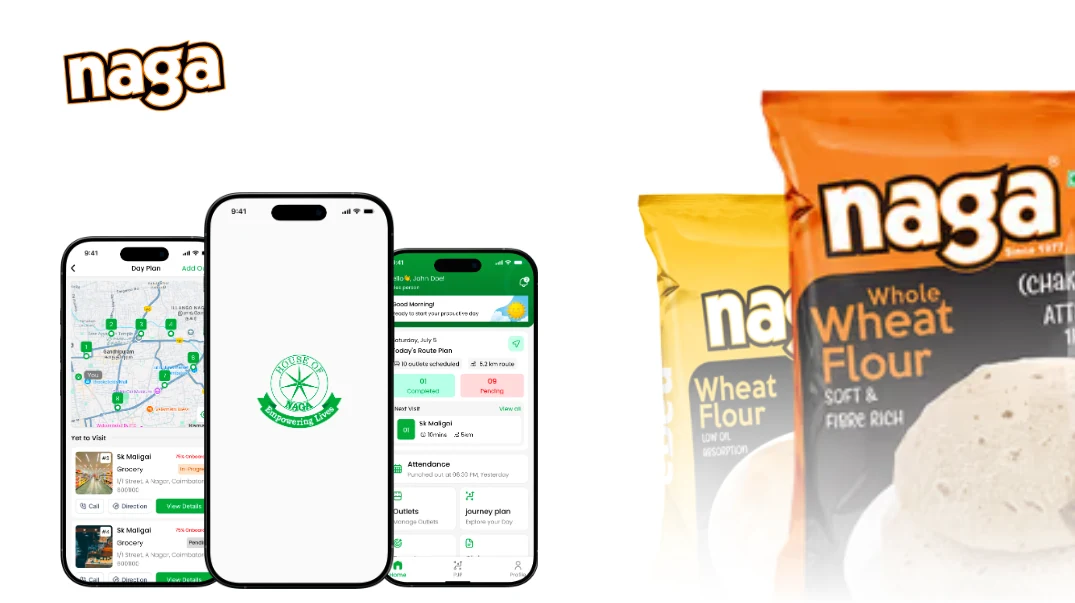
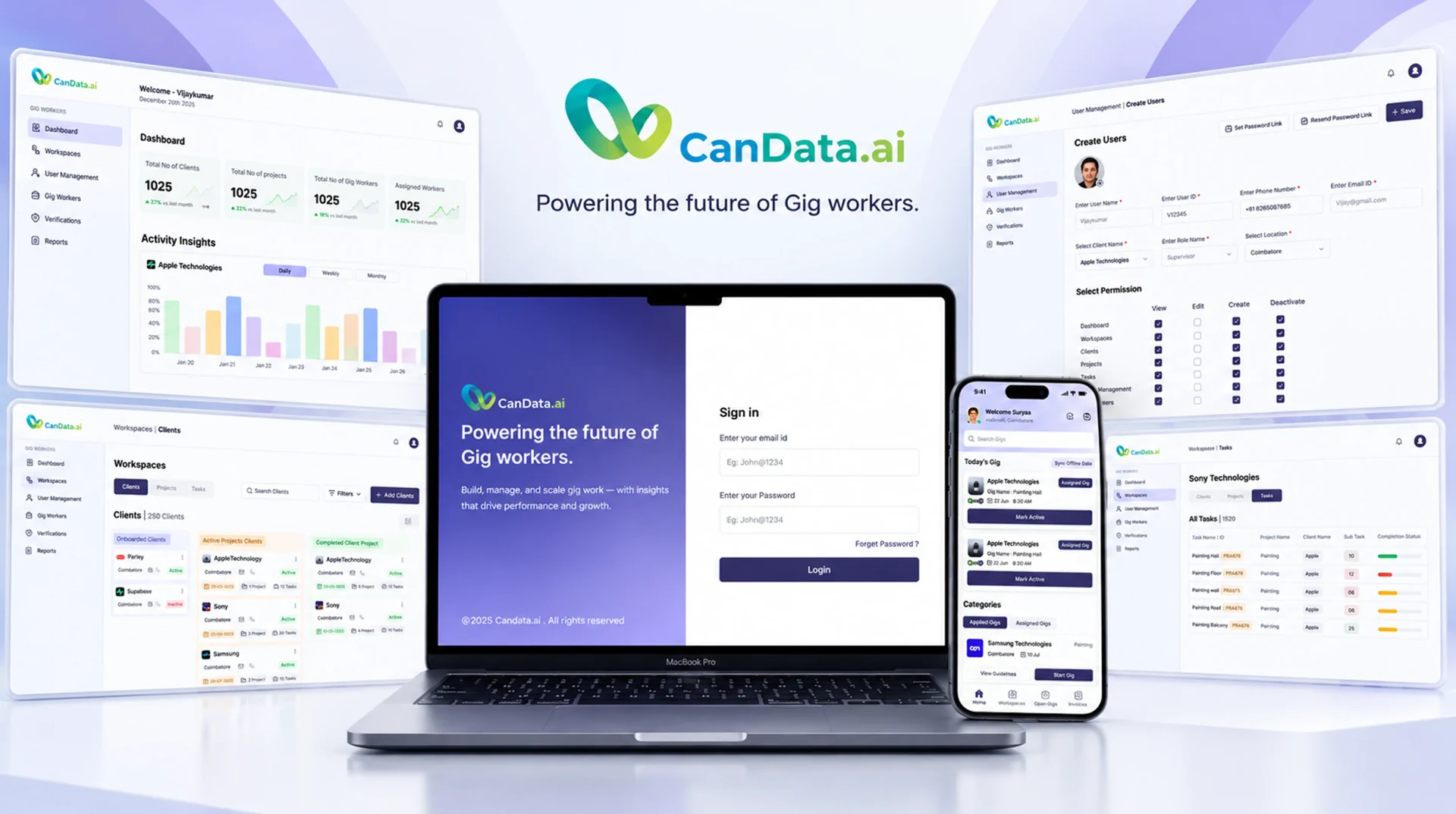
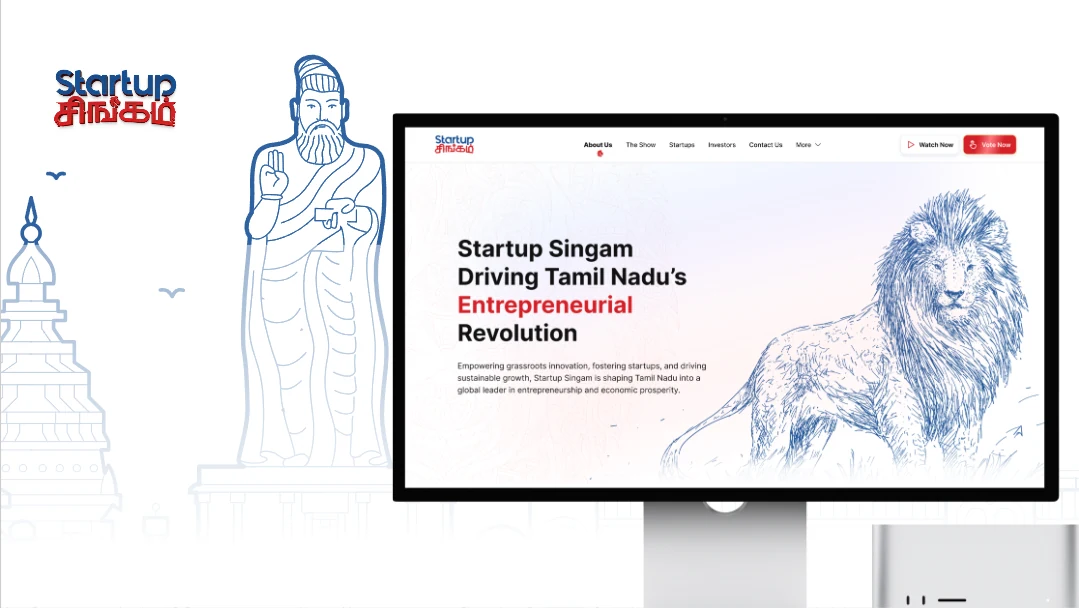
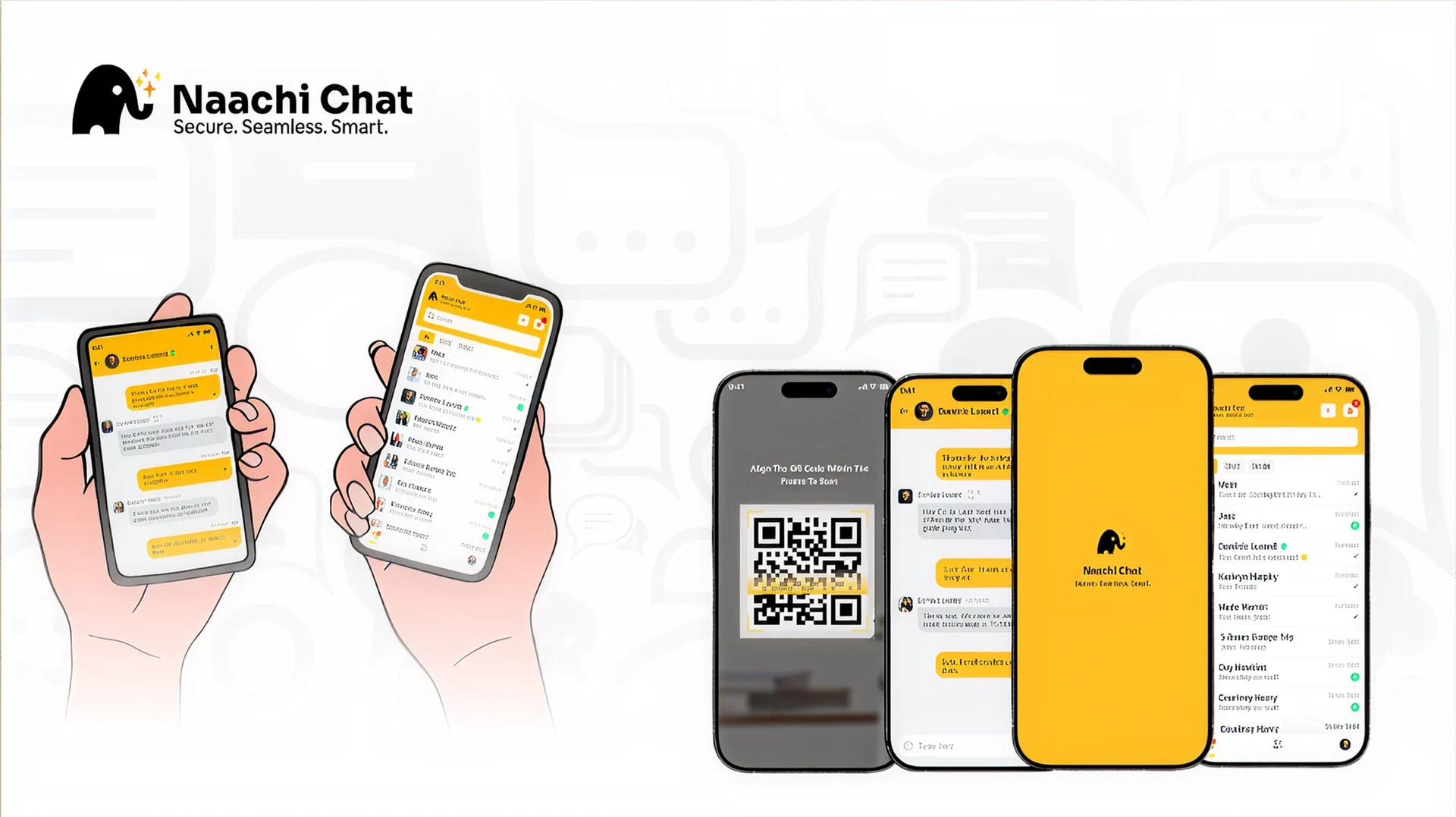
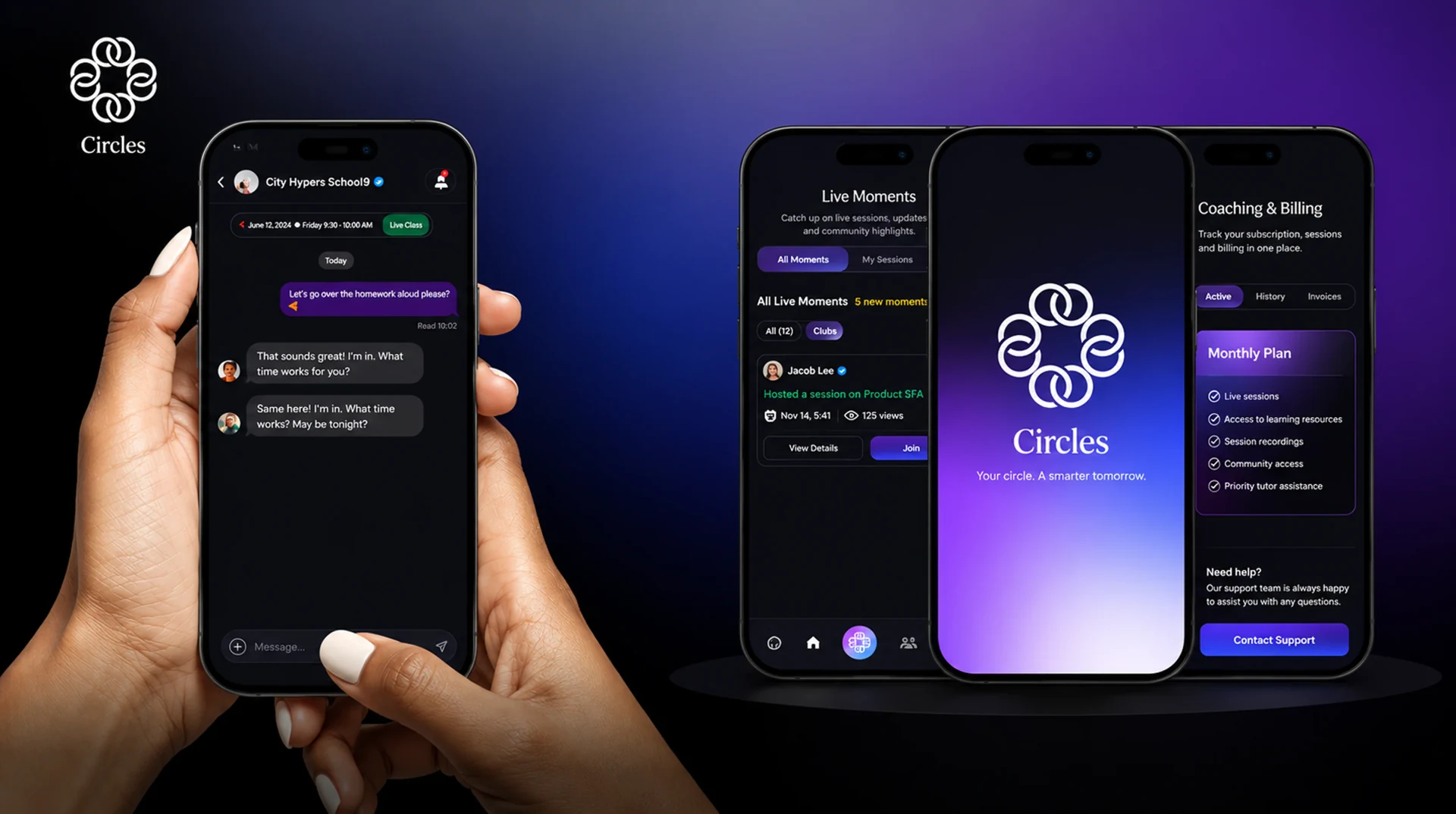
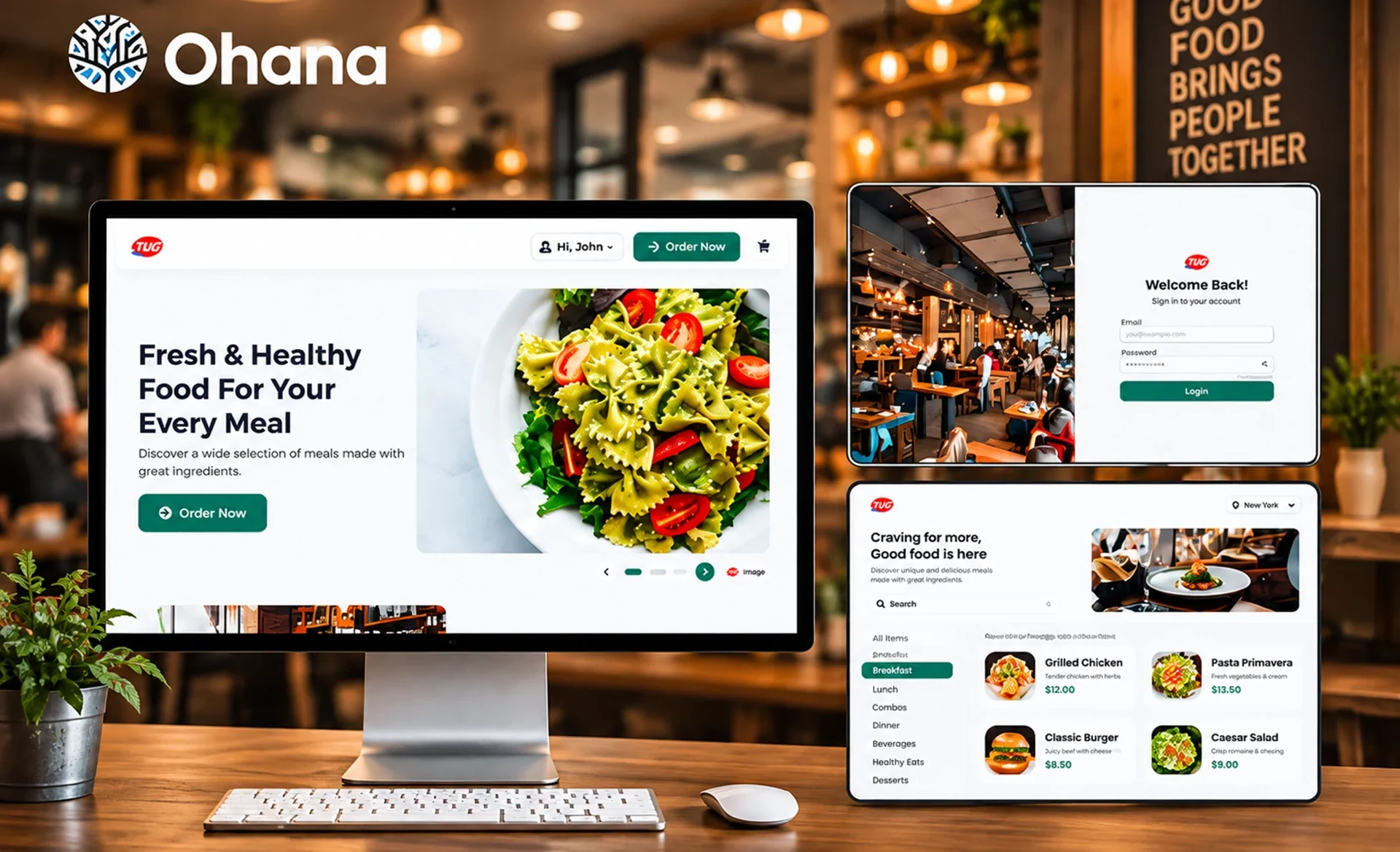
Our Work - Digital Solutions Built for Scale
From SaaS platforms and AI automation to complex web apps - discover how we help startups and enterprises automate, innovate, and grow.
What Drives Android Development Cost
Five factors that determine the real scope of an Android engagement, discussed openly during discovery.
Target Device Matrix & OS Version Range
The minimum SDK decision should be based on the target user base’s actual OS distribution data. Setting it too low means handling API differences; too high excludes older devices.
Offline Architecture Complexity
Read-only caching is straightforward. Queuing user actions offline, handling multi-device sync conflicts, and maintaining consistency across unreliable connectivity add significant architectural scope.
Enterprise Deployment & MDM Integration Scope
Work profile support, AppConfig, and EMM integration add architecture and testing scope not present in consumer development, and require access to the client’s specific EMM platform.
Hardware Peripheral Integration
Each integration adds vendor SDK research, device-specific testing, and edge-case handling for connection management and error recovery — work that cannot be replaced with emulation.
Backend & Enterprise System Integration
Integrating with ERP, CRM, payment gateways, or third-party data providers is scoped by API quality, documentation completeness, authentication model, and data transformation needs.
Recognized Android Engineering Partner
Listed on Clutch, GoodFirms, RightFirms, and DesignRush for Android engineering that passes corporate IT security review and scales across managed device fleets, not just consumer Play Store launches.



Frequently Asked Questions
Curious about how we build Android apps, what technologies we use, or what support you can expect? We've answered the most frequently asked questions to help you move forward with clarity and confidence. Still have a specific query? Feel free to contact us — we're here to support you.
Start Your Android Project
- Documented Specification
- Reviewed Architecture
- Clear Device Matrix Plan
Let’s Build Something Great Together
Looking to build a custom software solution, AI product, or digital platform? Use the form below to tell us about your project. Our team will respond within one business day.
Please share a few details. A team member will get back to you within one business day.
From our offices in the UK, India, and Canada, we work with clients across borders to deliver reliable software solutions.