Home > Services > Custom Software Development > USA
Custom Software Development Company in USA
for Business-Critical Systems
When the tools a business relies on stop fitting the way it actually operates, the gap shows up as spreadsheet workarounds, disconnected systems, and manual processes that should not exist. At that point, partnering with a custom software development company in the USA is a strategic decision, not a technology purchase. Noukha builds enterprise platforms, workflow automation systems, SaaS products, and cloud-native applications for businesses that need software designed precisely around their operations.
What Is Custom Software Development?
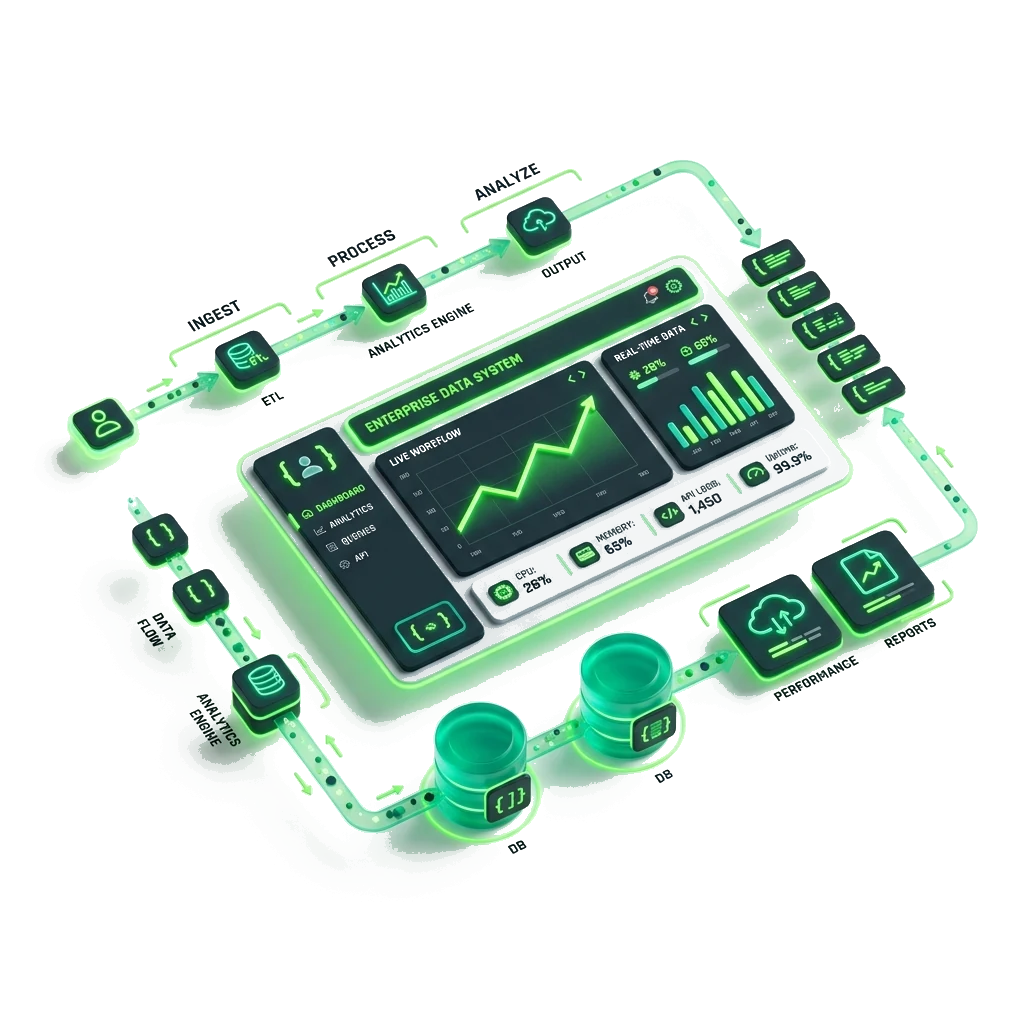
Custom software development is the process of designing, building, and deploying software applications created specifically for a defined set of business requirements, users, and operational contexts. It is not adapted from a general product and configured to approximate your needs. The system is architected around how your organization actually operates, not the other way around.
Custom software can take many forms: an internal operations platform, a customer-facing portal, a workflow automation system, a SaaS product, a data reporting engine, or an enterprise application that replaces a fragmented stack of legacy tools. The relevant question before pursuing any of these is whether the gap between what available tools offer and what the business requires justifies the investment in building something tailored.
When Does a Business Need Custom Software?
Custom software is the right investment when the cost of working around existing tool limitations exceeds the cost of replacing them with something fit for purpose. Situations that warrant a serious evaluation:
Your core business process cannot be accurately represented in any available product without significant compromise.
Your competitive advantage depends on a workflow, data model, or customer interaction that off-the-shelf tools were not designed to support.
You are managing operational complexity through spreadsheets and manual coordination because your systems do not communicate.
Reporting depends on data spread across disconnected systems that requires manual assembly before it can be used.
Compliance, security, or data residency requirements rule out third-party SaaS products for the data you handle.
You are building a product for external customers where you need full control over the experience, data architecture, and roadmap.
Integration requirements are complex enough that connecting off-the-shelf tools creates more problems than it resolves.
Custom Software vs Off-the-Shelf Software
The build-vs-buy decision is one of the most consequential a CTO or operations leader makes. The table below frames the practical tradeoffs.
Fit to your process
Built exactly around your workflows and data model
Requires your process to adapt to the software's design
Time to value
Longer initial build; immediate fit on delivery
Faster to deploy; time lost to configuration and workarounds
Total TCO
Higher upfront; lower ongoing if architected well
Lower upfront; subscription costs compound over time
Scalability
Scales with your architecture decisions
Subject to vendor roadmap and pricing tier limits
Differentiation
Can be a direct source of operational advantage
Available to any competitor on the same subscription terms
Integration
Designed around your specific integration requirements
Limited to vendor-supported integrations and APIs
Data ownership
You own and control all data completely
Data held by vendor; subject to their security policies
Vendor dependency
None; you own the codebase
High; pricing, availability, and roadmap depend on vendor
Customization limit
None; the system evolves with the business
Bounded by what the vendor chooses to build
Signs Your Business Has Outgrown Existing Software
Workarounds normalize over time, which makes it easy to underestimate how much operational friction existing tools are generating. These patterns reliably indicate a business has exceeded what its current systems can support.
Spreadsheet Dependency
When spreadsheets become the primary tool for managing operational data or workflow approvals, the business is carrying the full cost of custom logic and manual maintenance without the security and scalability of custom software.
Duplicate Data Entry
If the same information is entered into more than one system because those systems do not communicate, the business is paying for the same work twice while introducing inconsistency risk between records.
Disconnected Systems
Running CRM, ERP, accounting, inventory, and customer portal as independent tools with no data flow between them generates coordination overhead that consumes time and produces errors.
Manual Approvals & Handoffs
When approvals travel by email and status updates live in messaging threads, the business is executing workflow automation entirely through human effort rather than optimized software engines.
Poor Reporting & Data Visibility
If producing a clear operational report requires manually extracting and combining data from multiple systems, leadership is making decisions on delayed or incomplete information.
Lack of Automation
Routine, rule-based tasks that consume staff time without requiring judgment are candidates for automation. Every month those tasks run manually is a compounding labor cost.
How Custom Software Creates Competitive Advantage
Software built specifically around your organization's goals delivers long-term strategic and operational advantages that general tools cannot match.
Operational Efficiency
Software built around your workflows eliminates the friction of adapting general tools to specific tasks. Fewer handoffs, fewer manual steps, and simpler interfaces.
Workflow Automation
Business process automation removes the human execution layer from rule-based work. Approval routing, notification triggers, data validation, and report generation run seamlessly.
Scalability Without Constraint
Custom software scales with your infrastructure decisions, not a vendor's pricing tiers. As transaction volume and data grow, the system scales horizontally or vertically.
Customer Experience
Customer-facing portals and digital interfaces built on custom software are designed entirely around the experience you want to deliver, not the interaction patterns a third-party allows.
Data Visibility & Intelligence
Define exactly what data is captured, how it is structured, and how it flows across the organization to support real-time dashboards, cross-system analytics, and AI-driven insights.
Team Productivity
When software matches the way a team works, productivity increases because the friction of fighting the tools is removed. This effect consistently overperforms in practice.
Custom Software Development Services We Provide
We deliver tailored, full-cycle product engineering with architecture discipline from the start.
Enterprise Software Development
Multi-role platforms with defined permission structures, high-volume transaction systems, and cross-department operational tools built with architecture discipline.
SaaS Product Development
From multi-tenancy architecture and subscription billing to onboarding flows and usage analytics. We work with founders and product leaders through concept, build, and iteration.
Workflow Automation Systems
We map existing processes, identify automation candidates, and build the rules, triggers, and conditions that let those processes run without manual initiation.
Customer and Vendor Portals
Self-service portals integrated with core business systems, designed for the specific interaction patterns of each user group, customers, vendors, and partners.
Internal Business Systems
Inventory management, project tracking, HR workflow tools, compliance tracking, and operational dashboards tailored to the exact requirements of the teams using them.
API & System Integrations
We design and build APIs that connect internal and external systems, handling authentication, data mapping, error handling, and monitoring across each integration point.
Cloud-Native Application Development
Containerized deployment, managed databases, serverless functions, and infrastructure-as-code on AWS, Azure, and Google Cloud for production reliability.
Legacy Software Modernization
API wrapping, strangler fig migration that replaces components progressively while the system remains in use, and full rebuilds where legacy tools cannot scale.
Analytics & Reporting Platforms
Real-time dashboards, scheduled reports, and anomaly detection built on your actual data sources to support operational decisions.
Powering Your Vision with the Latest Tech
At the heart of every great product is the right technology. We leverage the latest and most powerful tools to build software that's fast, secure, and future ready.
Our Custom Software Development Process
Five structured phases from first conversation to running software system, with clear milestones and accountability at each step.
Discovery & Business Analysis
Stakeholder interviews, process mapping, integration requirement documentation, user journey definition, and a formal requirements document.
Architecture & Technical Design
A technical architecture document covering system components, data models, API contracts, infrastructure design, and security architecture.
UI/UX Design
Workflows designed around the mental model of the users, prototyped and validated before development commits to them.
Development & Quality Assurance
Agile sprint cycles with defined acceptance criteria, code review gates, and regular demos with parallel quality assurance.
Deployment, Launch & Support
Staging validation, production environment verification, zero-downtime launch, and post-launch support retainers.
Build In-House or Partner With Noukha?
This decision depends on whether technology is a core, ongoing competency of the business or a means to a business outcome.
Building In-House
Time to Market
6-12+ months to hire, onboard, and align a team
Hiring Complexity
Senior engineers are scarce and competitive to attract
Cost Predictability
Salary, benefits, tooling, and management overhead are ongoing
Scale Flexibility
Scaling up requires additional hiring; scaling down means layoffs
Technical Breadth
Difficult to cover all specialisms (frontend, backend, cloud, QA) in a small team
Partnering with Noukha
Time to Market
Development begins immediately after discovery; no hiring lag
Hiring Complexity
Immediate access to an assembled, highly experienced team
Cost Predictability
Engagement is scoped to milestones; costs are tied to output
Scale Flexibility
Team size is adjustable to project phase without HR overhead
Technical Breadth
Full-stack capability (designers, architects, engineers) available from project start
In-house development is the better path when technology is a long-term core competency, the volume of work justifies a permanent team, and the organization can attract and retain strong engineers. For most businesses evaluating a specific project or platform, partnering produces a faster start, lower risk, and more predictable cost.
Common Mistakes Businesses Make When Investing in Custom Software
Avoid these frequent project pitfalls that lead to missed timelines and system rework.
Starting Without Clear Goals
Software projects scoped as feature lists rather than business outcomes produce systems that work as specified but do not solve the problem they were built to address.
Learn moreSelecting Technology Before Requirements
Technology decisions made before requirements are understood produce architectures optimized for the wrong constraints.
Learn moreUnderestimating Integration Complexity
Every third-party system has its own data model, API behavior, rate limits, and authentication requirements.
Learn moreIgnoring User Adoption
Custom software that employees do not use delivers no value regardless of its technical quality.
Learn moreEvaluating Partners on Cost Alone
The lowest-cost proposal is rarely the lowest total cost. Quality and delivery discipline affect maintenance cost and reliability.
Learn moreWeak Post-Launch Planning
Software degrades without proper upkeep. Budget for post-launch support, patching, and monitoring early.
Learn morePoor Stakeholder Alignment
Conflicting requirements from stakeholders who were not involved in discovery surface as scope conflicts during development.
Learn moreIgnoring Scalability from the Start
Architecture that performs at launch but degrades under load requires expensive refactoring later.
Learn moreKey Questions to Ask Before Starting a Custom Software Project
What specific business problem is this software solving, and how will we measure whether it has been solved?
Who are the users of this system, what do they need to accomplish, and what are their current pain points?
What existing systems will this software need to integrate with, and what are the data flows between them?
What compliance, security, or data residency requirements apply to the data this system handles?
What is the expected growth in users, transactions, and data volume over the next three years?
What internal resources are available to contribute: product ownership, subject matter expertise, design review?
What is the realistic total budget for build, launch, and the first 12 months of post-launch support?
Who owns the codebase, the data, and the infrastructure at the end of the engagement?
What is the plan if requirements change significantly mid-project?
What does success look like at 30 days, 90 days, and 12 months post-launch?
How to Choose a Custom Software Development Company in USA
The selection process for a development partner deserves the same rigor as any significant capital investment. Evaluate potential partners based on:
Technical Expertise
Request evidence of capability in the specific stack and problem domain. Verify architecture documents and portfolio work.
Industry Knowledge
Domain familiarity reduces discovery time and prevents regulatory, compliance, or operational design errors.
Architecture Capabilities
Architecture quality is the primary determinant of long-term software cost. Ask specifically about horizontal/vertical scaling models.
Communication & Visibility
Evaluate communication quality during the sales process itself. Vagueness or complexity warnings are signs of post-launch gaps.
Delivery Methodology
A partner should describe exactly how they manage sprint cycles, handle scope changes, escalate blockers, and structure milestone reviews.
Security Practices
Ask how security is addressed in architecture design, code review, dependency management, QA, and deployment configuration.
Post-Launch Support
Define what happens after launch before signing. A partner without a structured post-launch offering is signaling lack of alignment.
Team Composition
Understand who will actually be working on your project. Request the specific team composition and evaluate developer seniorities.
Why Choose Noukha as Your Custom Software Development Partner
Requirements-First Delivery
We produce a documented requirements specification and a reviewed architecture design before any development begins. No sprint starts without sign-off.
Architecture Built for a 3-5 Year Horizon
Our architecture documents specify modular feature boundaries, well-defined API contracts, and data layer separation as explicit design constraints.
Unified Full-Stack Accountability
Noukha teams cover product strategy, UI/UX design, frontend engineering, backend development, cloud infrastructure, DevOps, QA, and AI integration within a single engagement.
Outcome-Oriented Metrics
Each engagement defines measurable business outcomes during discovery, alongside the feature specification. Sprint reviews include progress against both.
Security Embedded in Every Phase
Security is addressed at four explicit points: architecture design, code review checklists, QA OWASP validation, and deployment security audits.
Defined Reporting Cadences
Clients receive sprint summaries, regularly updated risk and blocker logs, and milestone review sessions. All status is documented in writing.
Structured Post-Launch Support
Post-launch support is scoped and contracted before delivery. Agreements specify response time tiers by severity and maintenance activities.
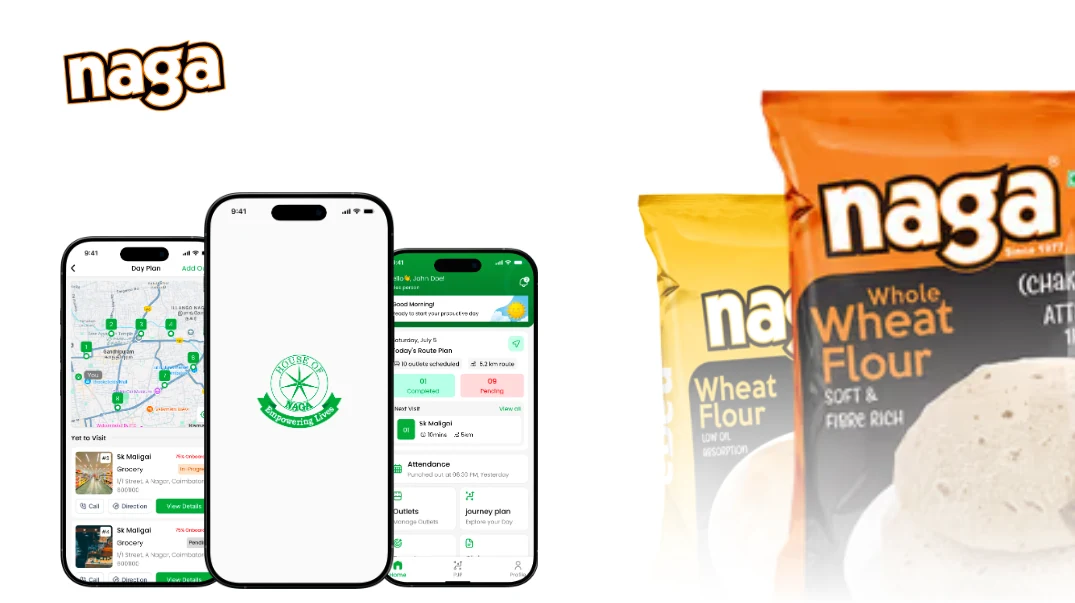
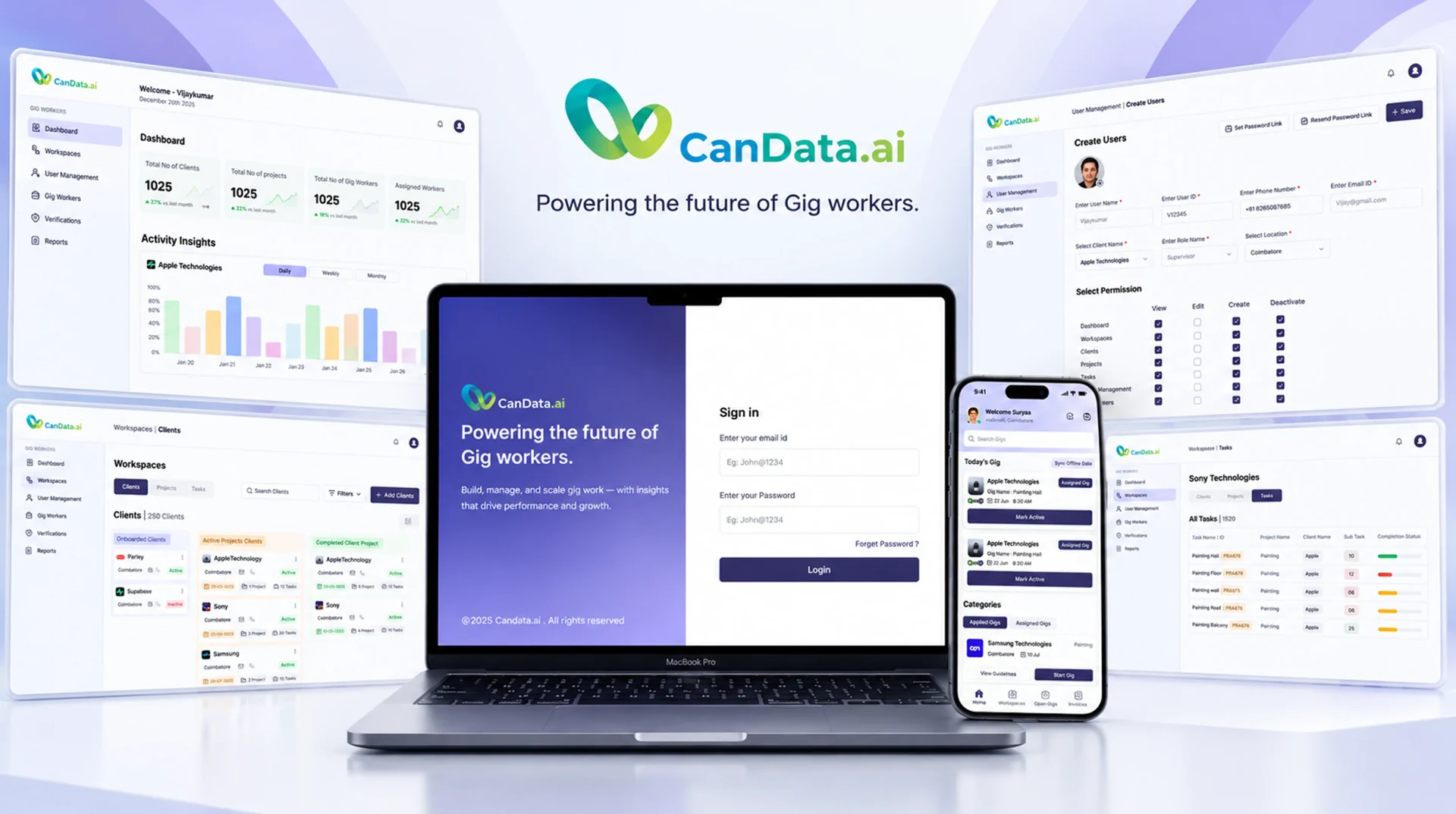
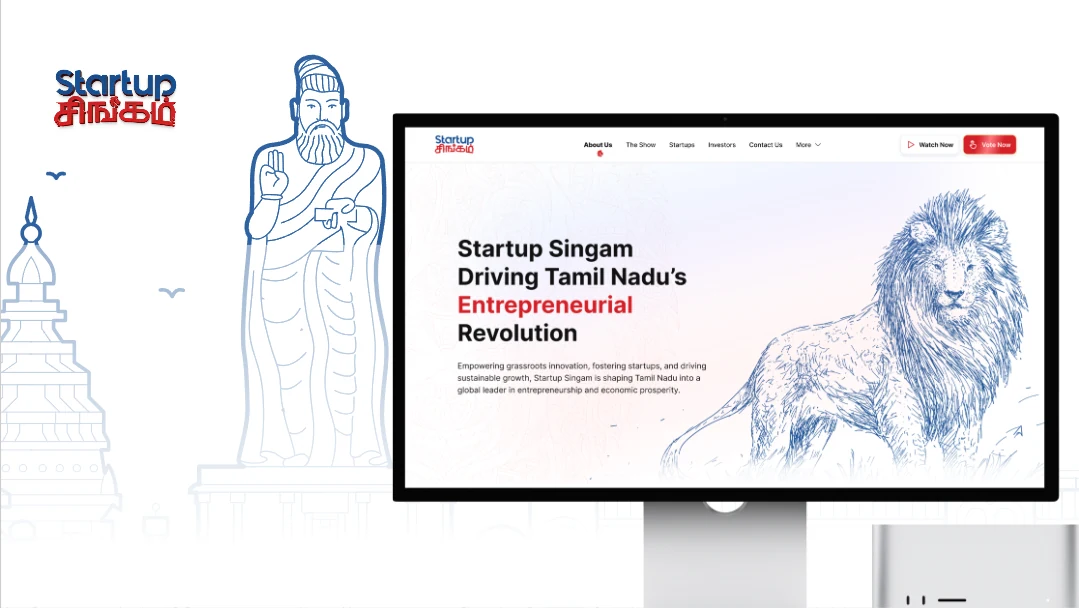
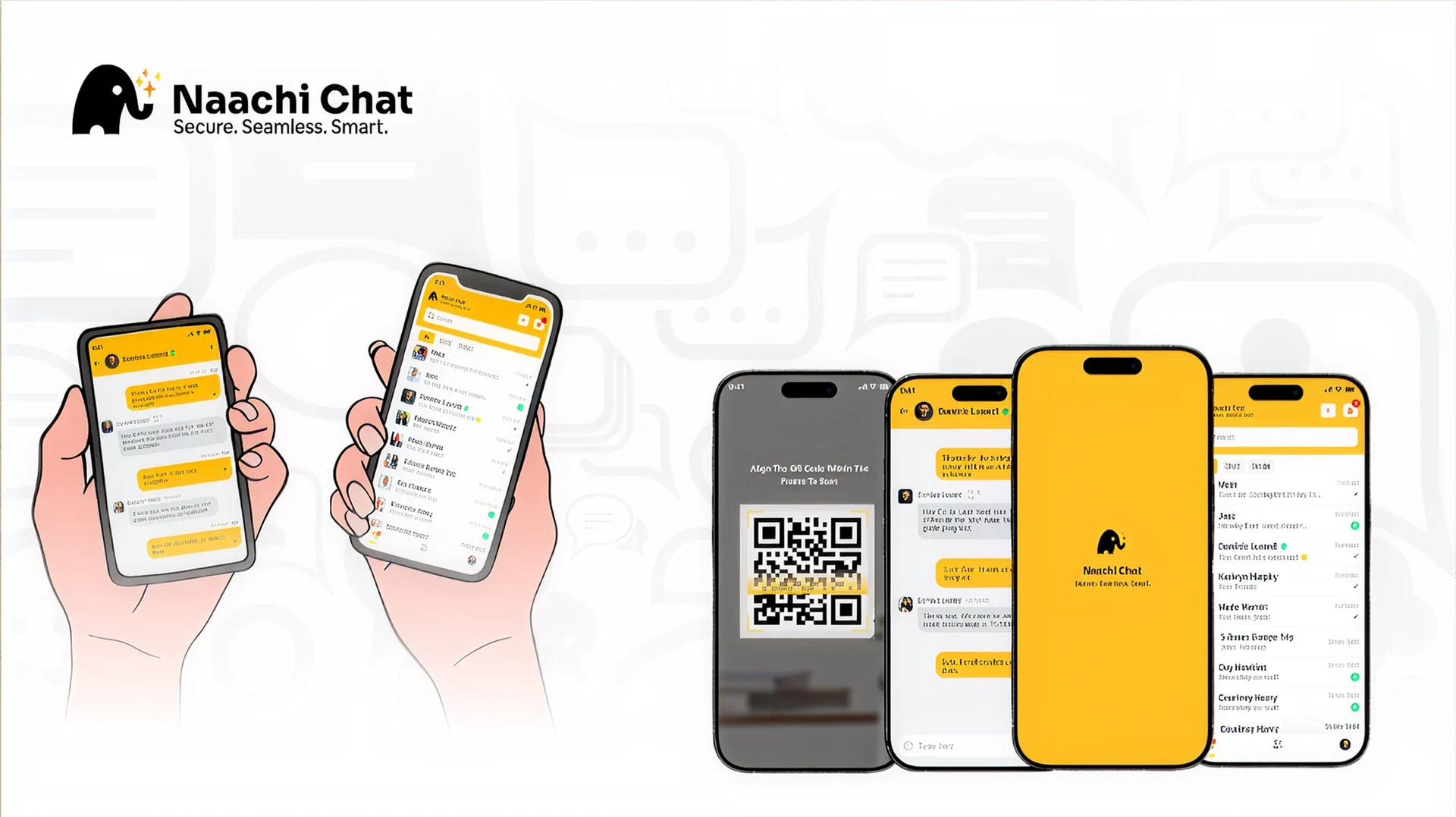
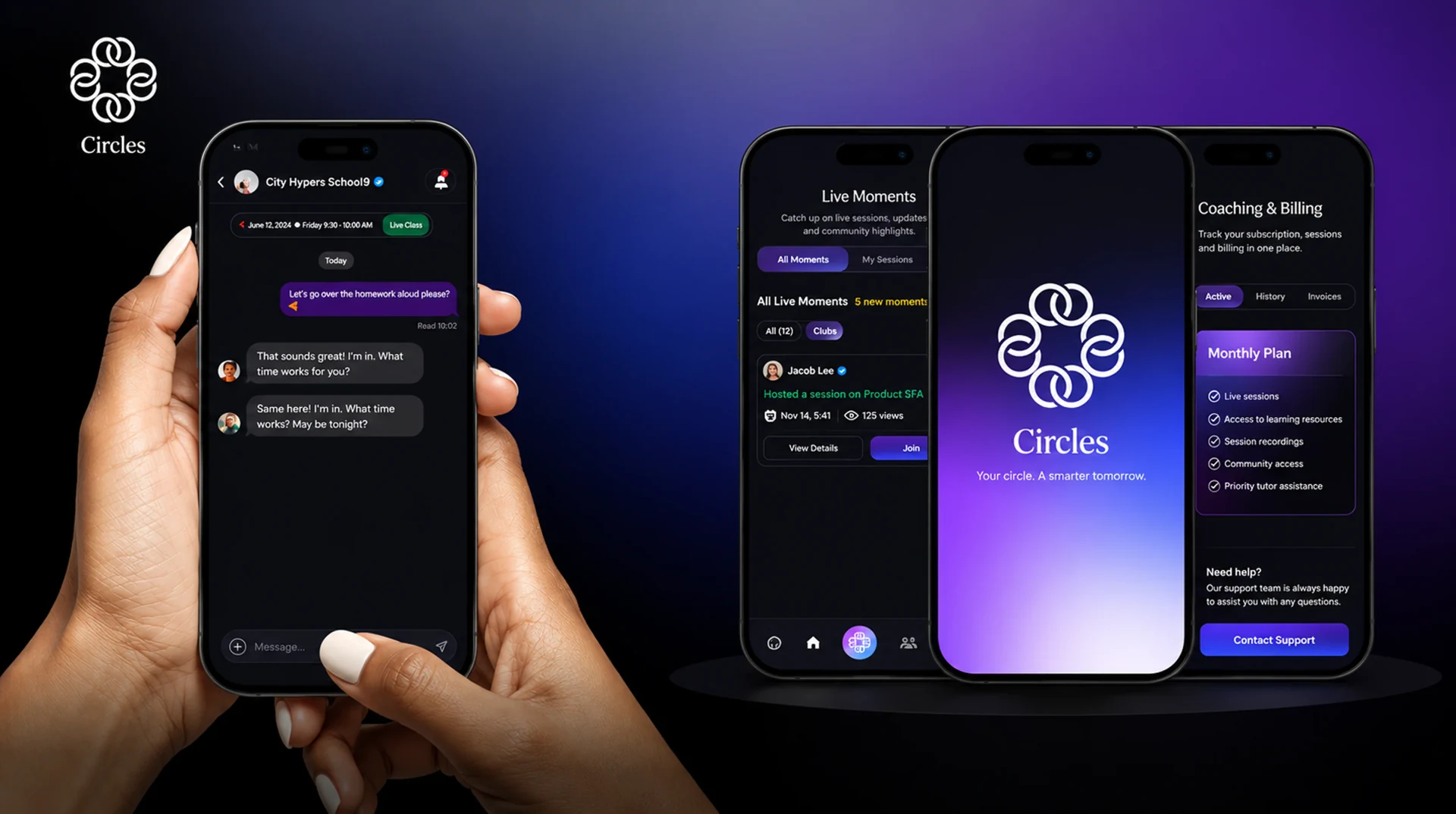
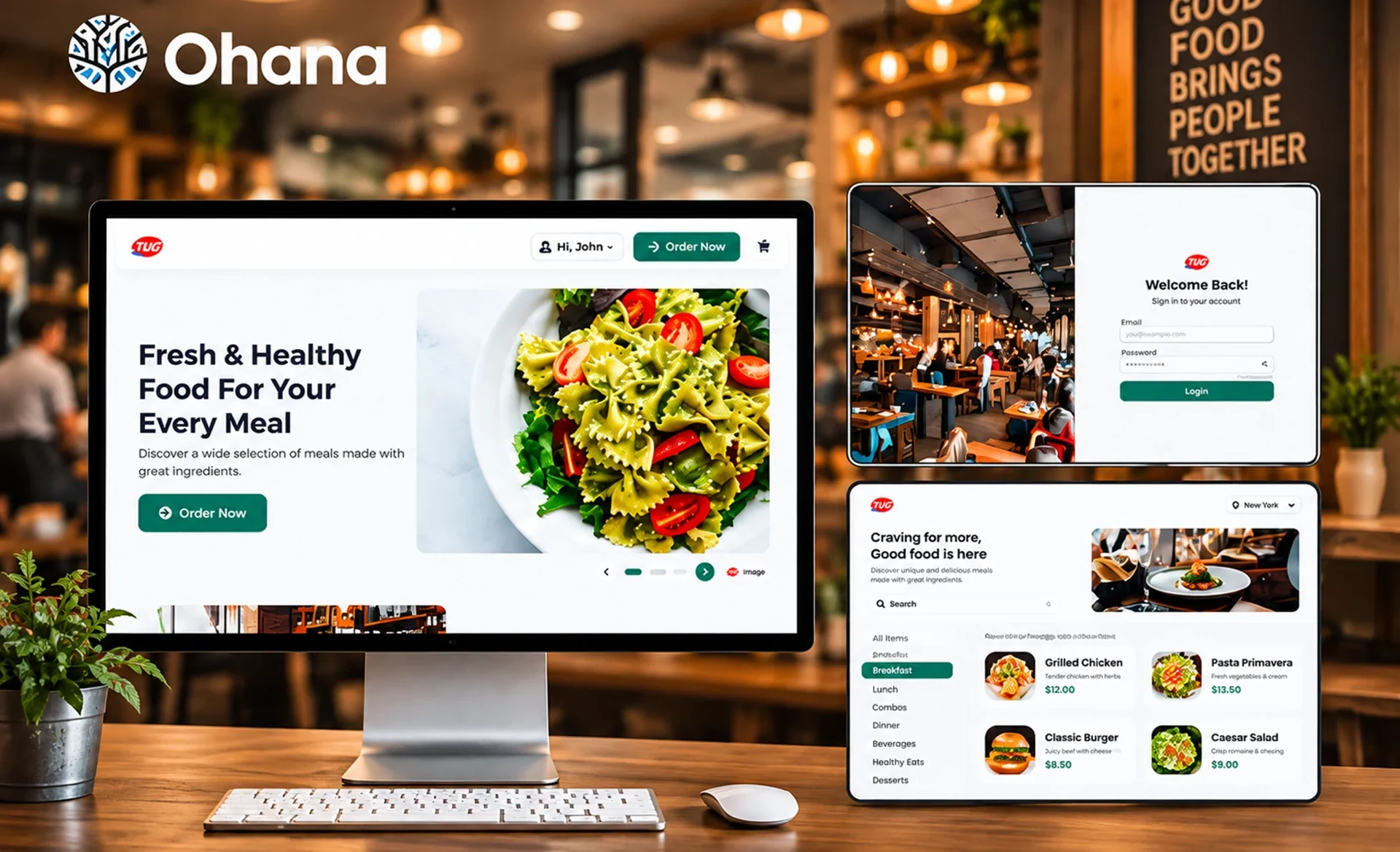
Our Work - Digital Solutions Built for Scale
From SaaS platforms and AI automation to complex web apps - discover how we help startups and enterprises automate, innovate, and grow.
Industries We Serve
Noukha builds custom software across industries where compliance, integration depth, or operational complexity make generic tools inadequate.
HIPAA compliance, clinical workflows, patient engagement, telehealth platforms.
Fintech platforms, payment processing, lending platforms, compliance architecture.
Order management, inventory systems, customer portals, customized marketplaces.
Fleet management, dispatch optimization, warehouse tools, proof of delivery.
Work order systems, quality inspection logs, IoT integrations, ERP connectors.
LMS platforms, assessment tools, student portals, institutional administration.
Property management, listing platforms, agent CRM, secure transaction portals.
Project management, billing systems, client portals, compliance tracking.
Booking platforms, reservation systems, loyalty programs, itinerary tools.
Custom Software Development Cost in USA
Custom software cost is shaped by specific, quantifiable factors. These variables explain why projects differ significantly:
Project Scope & Complexity
The number of features, user roles, permission structures, and business rules is the primary cost driver. Complexity not documented in scoping surfaces as project drag.
Integration Requirements
Every third-party integration adds engineering time for API research, authentication, data mapping, and error recovery. Estimated only after API testing.
Design System Complexity
Custom design systems, accessibility (WCAG) compliance across assistive technologies, and multi-tenant UI all add layout time to design and frontend.
Security & Compliance
Applications handling health records, financial data, or personal info require additional architecture review, penetration testing, and documentation.
Infrastructure & DevOps
Cloud architecture, CI/CD pipeline automation, automated testing scripts, load balancing, and disaster recovery configurations all contribute.
Post-Launch Support Scope
Maintenance agreements and planned updates are part of the total investment. Budgeting for SLAs ensures the system does not degrade under volume.
Frequently Asked Questions
Structured answers to common questions about custom software development, USA engagements, and working with Noukha.
Let's Build Your Custom Software Solution
- Clear scope & technical roadmap
- Free 30-minute consultation
Let’s Build Something Great Together
Looking to build a custom software solution, AI product, or digital platform? Use the form below to tell us about your project. Our team will respond within one business day.
Please share a few details. A team member will get back to you within one business day.
From our offices in the UK, India, and Canada, we work with clients across borders to deliver reliable software solutions.