Home > Services > Top App Development Companies in USA
TopAppDevelopmentCompaniesintheUSA:ABuyer'sGuide
There are over 100,000 software development companies registered in the United States, and the number of companies targeting US clients from abroad is several times that. If you search for the top app development companies in USA, you will find lists, directories, and agency websites all competing for the same phrase -- most of them claiming the exact same things about themselves.
This page takes a different approach. Instead of adding to the noise, we have built a practical evaluation framework: six specific criteria that define what a genuinely top app development company does differently, the red flags that tell you a company does not belong on any list, and the questions you should ask before signing anything. We also score Noukha against every criterion transparently.
Good morning
Dashboard
Active Users
0.0K
+12%App Rating
0.0 ★
Top 1%Weekly Sessions
Recent Builds
Recognized. Respected. Relied Upon.
Third-party recognition matters because it is based on client interviews and verified reviews -- not self-reported metrics. Every rating below was earned through real project delivery, not purchased visibility.


Production apps shipped
Across 12 industry verticals
Client satisfaction rate
Based on verified reviews
Senior engineers
Zero junior staffing on projects
Clutch rating
Top-rated in our category
The 6 Criteria That Define a Top App Development Company
Every directory uses a different methodology -- some rank by revenue, some by SEO authority. None tell you what you actually need to know before handing over a significant budget. These six criteria are drawn from what US businesses consistently report as the deciding factors.
Portfolio Depth and Industry Specificity
Look past the portfolio screenshots. The question is not whether the apps look good -- it is whether the company has built in your industry before. An app for a logistics company involves offline-first architecture and GPS tracking. An app for a healthcare company requires HIPAA technical safeguards. A company that has built these before will make fewer expensive mistakes in your project.
Compliance Knowledge for Regulated US Industries
If your business operates in healthcare, fintech, or any sector that handles sensitive user data from California residents, compliance is not optional. Ask specifically: have they built HIPAA-compliant apps? Do they know what CCPA requires at the data layer? Can they produce the technical documentation your compliance counsel needs?
Pricing Transparency Before the Contract
A top app development company publishes real price ranges before you get on a call. They give you a written, itemised proposal with a fixed or time-and-material quote that you can compare against other bids. If a company will not give you a cost range before asking you to sign an NDA or start a discovery phase at your expense, that is a pricing red flag.
Engineering Seniority on the Actual Build
Ask: who is doing the work? Many agencies win projects with senior engineers in the sales call, then assign mid-level or junior teams to the build. This is the single most common source of quality problems in US app development projects. The question to ask is simple: can I meet the specific engineers who will be writing my code before we sign?
Communication Model and US Timezone Coverage
The primary reason offshore development partnerships fail is not code quality -- it is communication failure. Ask specifically: what are the overlap hours with US time zones? Who do I contact if there is a problem? How long is the typical response time? A company that cannot answer these questions concretely has not built a communication process around US clients.
Post-Launch Support as a Standard Deliverable
App development does not end at launch. Every new iOS and Android OS release is a potential compatibility issue. Every user base growth spike is a potential infrastructure stress test. A top app development company includes post-launch monitoring and update management as a standard deliverable -- not as a separate negotiation after the project closes.
7 Red Flags When Evaluating App Development Companies in the USA
These are the patterns that US businesses consistently report in failed development partnerships. None of them are unusual. If you see more than two in a single vendor, treat it as a disqualifying signal.
Red Flag 01 --
No real pricing until after an NDA
If a company cannot give you a ballpark cost range before requiring a non-disclosure agreement or a paid discovery phase, it usually means their pricing model relies on getting you committed before you can compare. Legitimate companies publish price ranges and give written quotes before asking for a signature.
Red Flag 01 --
No real pricing until after an NDA
If a company cannot give you a ballpark cost range before requiring a non-disclosure agreement or a paid discovery phase, it usually means their pricing model relies on getting you committed before you can compare. Legitimate companies publish price ranges and give written quotes before asking for a signature.
Red Flag 02 --
Portfolio screenshots without outcomes
A gallery of app screenshots tells you nothing about whether the app worked for the business. Ask for case studies that include the challenge, the technical approach, the result, and if possible a contact reference. If a company has no verifiable outcomes to share, be cautious.
Red Flag 02 --
Portfolio screenshots without outcomes
A gallery of app screenshots tells you nothing about whether the app worked for the business. Ask for case studies that include the challenge, the technical approach, the result, and if possible a contact reference. If a company has no verifiable outcomes to share, be cautious.
Red Flag 03 --
'Experienced in all industries'
No development company is genuinely experienced in every industry. A company that claims expertise in healthcare, manufacturing, gaming, fintech, and e-commerce simultaneously is almost certainly spreading thin across all of them. Industry depth matters. Ask which two or three sectors they have the most project experience in.
Red Flag 03 --
'Experienced in all industries'
No development company is genuinely experienced in every industry. A company that claims expertise in healthcare, manufacturing, gaming, fintech, and e-commerce simultaneously is almost certainly spreading thin across all of them. Industry depth matters. Ask which two or three sectors they have the most project experience in.
Red Flag 04 --
Vague answers about the team structure
If you ask 'who will be building my app?' and the answer is 'our experienced team' without specific names or seniority levels, that is a handoff risk. Get a written commitment that the engineers involved in scoping are the engineers involved in building.
Red Flag 04 --
Vague answers about the team structure
If you ask 'who will be building my app?' and the answer is 'our experienced team' without specific names or seniority levels, that is a handoff risk. Get a written commitment that the engineers involved in scoping are the engineers involved in building.
Red Flag 05 --
No compliance knowledge for regulated industries
If your project involves patient data, financial transactions, or California user data, and the development company cannot explain HIPAA technical safeguards, PCI DSS tokenization, or CCPA data rights requirements in plain language, they have not built for regulated US industries before.
Red Flag 05 --
No compliance knowledge for regulated industries
If your project involves patient data, financial transactions, or California user data, and the development company cannot explain HIPAA technical safeguards, PCI DSS tokenization, or CCPA data rights requirements in plain language, they have not built for regulated US industries before.
Red Flag 06 --
Milestone payments tied to time, not deliverables
Milestone payments should be linked to working software deliverables -- a tested build, a completed integration, an approved design prototype. If milestones are tied to 'X weeks of development' rather than specific outputs, you are paying for time rather than results.
Red Flag 06 --
Milestone payments tied to time, not deliverables
Milestone payments should be linked to working software deliverables -- a tested build, a completed integration, an approved design prototype. If milestones are tied to 'X weeks of development' rather than specific outputs, you are paying for time rather than results.
Red Flag 07 --
No post-launch support structure in the proposal
If post-launch support is not described as a standard offering in the initial proposal, it almost certainly means it will be a separate negotiation later -- after you are already dependent on them to keep the app running. Ask what post-launch support looks like before you sign.
Red Flag 07 --
No post-launch support structure in the proposal
If post-launch support is not described as a standard offering in the initial proposal, it almost certainly means it will be a separate negotiation later -- after you are already dependent on them to keep the app running. Ask what post-launch support looks like before you sign.
Ask These 10 Questions Before Signing with Any App Development Company
These are the questions that surface the answers you actually need before committing a five or six-figure budget to a development vendor. Save this list for your evaluation calls.
Can I meet the specific engineers who will be building my app before we sign?
Which two or three industries have you built the most apps in -- and can you share case studies with outcomes?
What is your pricing structure? Can you give me a written cost range before we sign an NDA?
What are your US timezone coverage hours? What is your typical response time to a client message?
If my app needs HIPAA compliance [or CCPA, or PCI DSS], have you built to those requirements before? Can you show me the technical documentation you produced?
How are milestone payments structured? Are they tied to working deliverables or to time elapsed?
What happens if the scope changes mid-project? How are change requests documented and costed?
Who owns the source code on project completion? Is that stated explicitly in the contract?
What does post-launch support look like? Is it included in the project cost or a separate contract?
Can you provide contact references for two US clients whose apps are currently live?
Noukha Scored Against the 6 Evaluation Criteria
If we are going to publish a framework for evaluating top app development companies in the USA, we need to score ourselves against it. Here is how Noukha measures up on each criterion, with evidence rather than assertions.
| Criterion | Noukha's Position | Evidence |
|---|---|---|
| Portfolio depth | 85+ apps across fintech, healthcare, logistics, SaaS, retail, edtech | Case studies available on request. Specific industry references on RFP. |
| Compliance knowledge | HIPAA, CCPA, SOC2, PCI DSS -- built for all four | HIPAA-compliant telehealth apps delivered. CCPA flows documented as standard. PCI DSS tokenization with Stripe. |
| Pricing transparency | USD pricing published on this page. Written proposals before commitment | Price ranges on page. Itemised proposal within 5 business days of scope call. |
| Engineering seniority | 100% senior engineers. Zero junior staffing on projects | Engineers who scope the project build the product. No baton pass. |
| US timezone coverage | EST through PST coverage hours for communication | Same-day responses during US business hours. Sprint reviews scheduled in client timezone. |
| Post-launch support | Included in all plans. SLA contracts available | 60-day warranty on all projects. Monthly retainer and SLA options in proposal. |
Mobile App Development Services We Deliver in the USA
End-to-end mobile app development covering every major platform and the backend infrastructure that connects them.
Kotlin and Jetpack Compose. Tested across the top Android devices in active US use. Play Store submission handled end to end.
Swift and SwiftUI. Built to Apple's Human Interface Guidelines. Strong App Store first-submission approval track record.
Single codebase, native performance on both Android and iOS. 30 to 40 percent cost saving over parallel native builds.
TypeScript-based cross-platform development with genuine native performance. Ideal for teams in a JavaScript ecosystem.
Scalable backend on AWS or GCP. Stripe, Twilio, Salesforce, Okta, Plaid integrations. Structured for US-scale traffic.
SLA-backed maintenance. OS update compatibility testing. Crash monitoring and performance management.
What We Have Built -- and What It Delivered
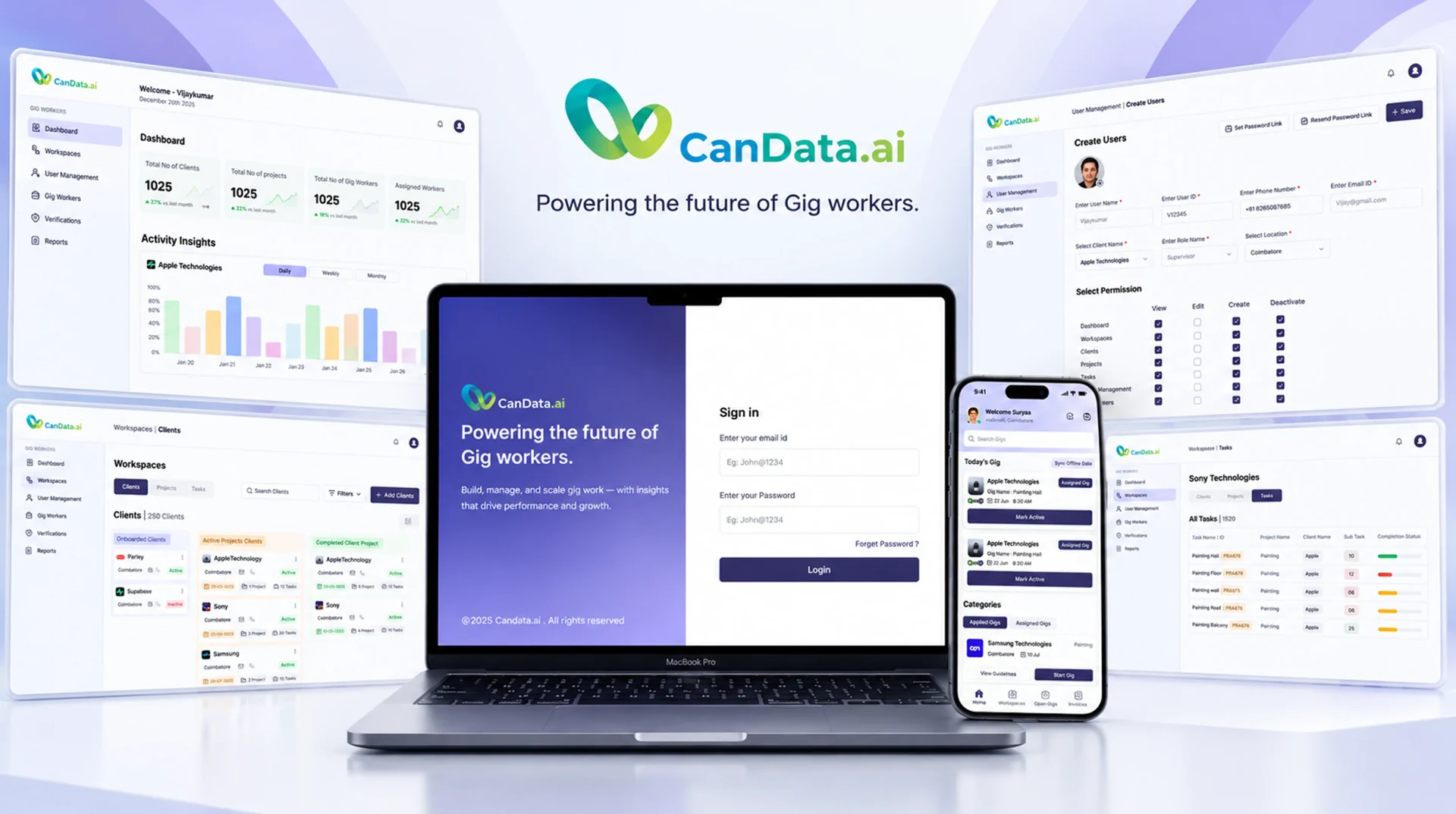
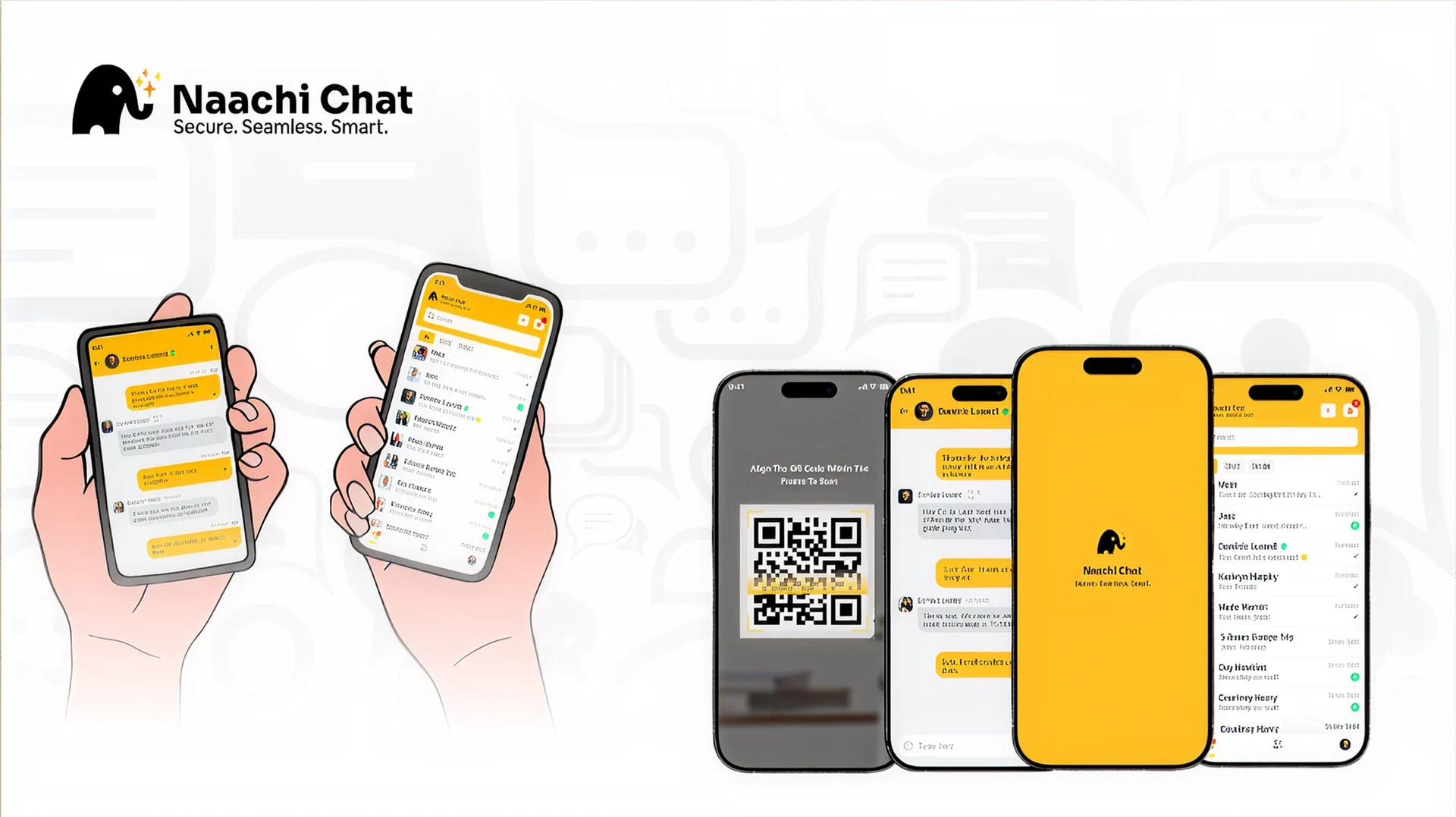
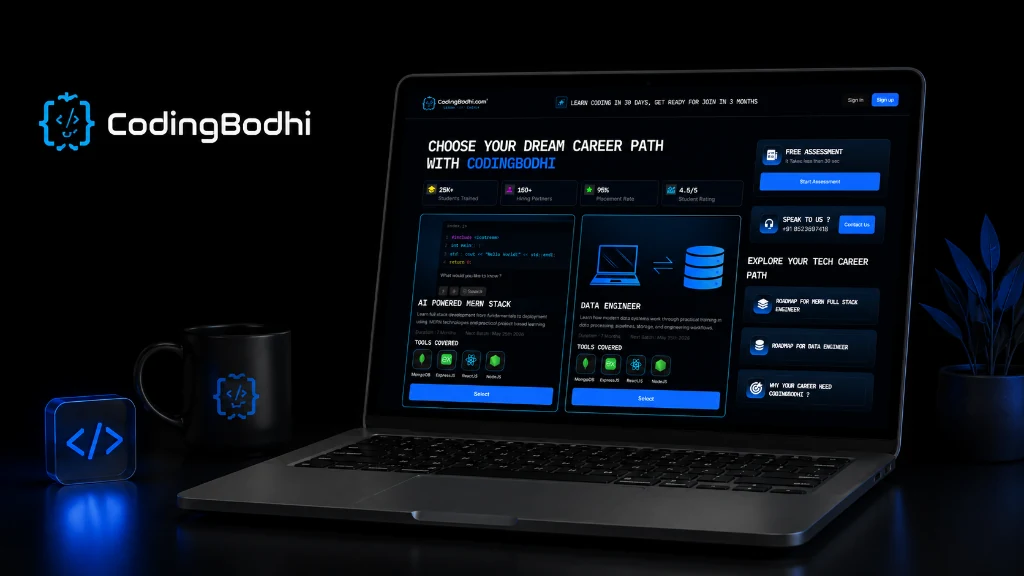
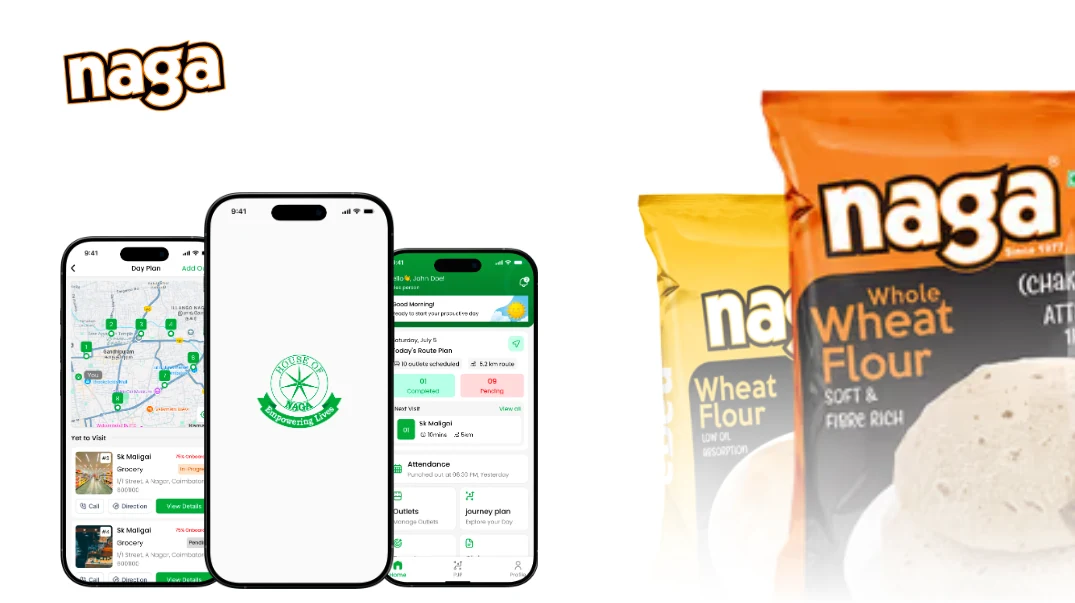
The projects below represent actual Noukha engagements. Client names are withheld at their request. Outcomes are real.
Let's Build Something Great Together
- Free 30-minute consultation call — no sales pressure
- Detailed, itemised project quotation within 48 hours
- No lock-in commitments or upfront fees
Frequently Asked Questions
Questions US businesses ask most often when evaluating and comparing app development companies.
Let’s Build Something Great Together
Looking to build a custom software solution, AI product, or digital platform? Use the form below to tell us about your project. Our team will respond within one business day.
Please share a few details. A team member will get back to you within one business day.
From our offices in the UK, India, and Canada, we work with clients across borders to deliver reliable software solutions.