Home > Services > AI Development > USA
AI Development Services
for US Businesses
Choose an AI approach around the business task you want to improve. Noukha helps assess AI integrations, document workflows and application requirements before defining a development scope.
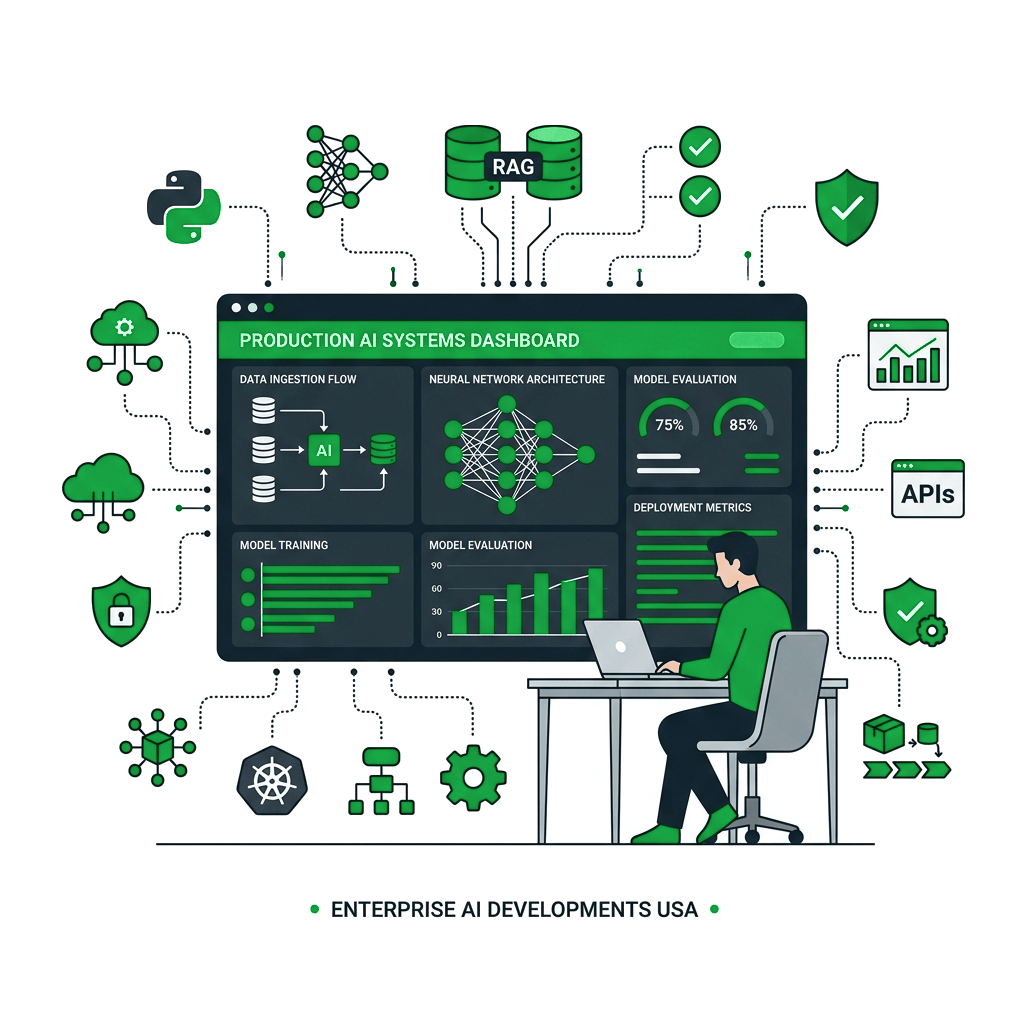
Choose the AI Service That Fits the Task
Match your project requirement with the right technical architecture and delivery model.
Generative AI Development
For document search and language features, explore generative AI development.
AI App Development
For user-facing AI products, explore AI app development.
AI Agent Development
For controlled actions across systems, explore AI agent development.
Recognized for Engineering Rigor & Production Delivery
Verified client ratings and outcomes on Clutch, GoodFirms, and RightFirms based on delivered production systems, transparent scoping, and measurable business impact.



The Reality of AI Adoption in the United States
Adoption vs. High Performance
88% of organizations use AI in at least one business function, yet only 6% qualify as high performers attributing >5% EBIT to AI.
Source: McKinsey State of AI, 2025Year-One ROI Achievement
74% of organizations achieved return on their AI investment within the first year, with 56% reporting revenue gains of 6% to 10%.
Source: Google Cloud ROI of AI, 20253+ Year System Longevity
High-maturity organizations keep AI systems operational for three or more years at more than double the rate of low-maturity ones.
Source: Gartner Research, 2025The Pilot-to-Production Gap and Why It Exists
AI adoption across US organizations has accelerated rapidly, but measurable business value has not advanced at the same pace. The gap between experimenting with AI and generating a meaningful financial return is one of the biggest factors shaping AI development work in 2026.
The gap is rarely caused by the model alone. It usually comes from everything around it: whether the underlying data is clean and current, whether outputs are evaluated against a defined standard, whether failures are handled safely, and whether someone owns the system after launch.
A demo can often work without many of these safeguards; a production system cannot. That is why our scoping conversations focus heavily on data quality, evaluation, and operational readiness rather than model selection alone.
Evaluating Fit for a Custom Build
We tell prospective clients plainly whether a custom engagement makes financial and technical sense.
This page is for you if:
- You have run an AI pilot that never made it to production.
- You need a model connected to your own data, not a public chatbot.
- You operate in a regulated industry and need governed, audit-ready AI output.
- You want a partner who scopes against outcomes, not model hype.
It is probably not for you if:
- You want an off-the-shelf tool you can configure yourself.
- You have no defined business problem and want AI added for its own sake.
- You need a single throwaway demo with no path to production.
- You are comparing on lowest hourly rate rather than reliable delivery.
What an AI Development Engagement Actually Covers
Building a production AI system is primarily a software engineering challenge with an important statistical component.
As a custom AI development company, we manage several interconnected layers within each engagement, and all of them must work together reliably.
Problem Framing
Translating a business objective into a task an AI system can perform and be measured on.
Problem definition brief, quantifiable success metric, technical feasibility read
Data Engineering
Collecting, cleaning, labeling, and structuring the data the system depends on, which is usually the largest line item.
Data readiness audit, automated ETL pipeline, structured vector/relational stores
Model Work
Selecting, integrating, prompting, or fine-tuning models against the accuracy, latency, and cost profile of the use case.
Model benchmark matrix, fine-tuned weights or prompt harness, inference pipeline
Evaluation
Building a test harness that measures whether the system performs accurately and consistently enough to trust, both before and after launch.
Automated test suite, ground-truth benchmark dataset, safety & hallucination guardrails
Deployment and Monitoring
The infrastructure to run the system at scale and detect quality drift once real users arrive.
Containerized deployment, real-time drift telemetry, full code & model ownership
Embedded Product Shipping
When AI is part of a broader digital product, the work connects directly with our custom software development and AI application development teams so the model, application, and supporting infrastructure are delivered as one integrated system.
When Custom AI Is the Right Fit
Not every business problem needs a custom AI system. During discovery, we first determine whether AI is the right approach and whether a simpler product or automation would solve the problem more effectively. Custom AI is most useful when the requirement is specific to your business, off-the-shelf tools cannot meet your accuracy, privacy, or workflow needs, and the outcome can be measured in practical business terms.
Task-Specific Business Logic
Off-the-shelf generalized models lack your industry context, proprietary taxonomy, and operational history. Custom builds earn their cost when generalized responses create unacceptable business risk.
Strict Privacy & Accuracy Thresholds
When commercial SaaS APIs cannot guarantee zero-retention, cannot run in your private VPC, or cannot provide audit attribution for regulated compliance (HIPAA, SOC 2, FINRA).
Measurable Financial Weight
Where small gains in task completion, error reduction, or manual review acceleration yield millions in operational savings or unlock direct subscription and product revenue.
"Those returns are achievable, but they are not automatic. Gartner's 2025 research found that high-maturity organizations keep AI systems operational for three or more years at more than double the rate of low-maturity organizations. The lesson is clear: long-term value comes from AI systems that remain useful and reliable after launch, not simply from systems that make it into production."
Our AI Development Process,
Step by Step
A disciplined software engineering cadence designed to validate early, engineer rigorously, and eliminate post-launch surprises.
Discovery and use case validation
Eliminates premature budget commitments by filtering out use cases that lack data support or measurable business payoff before code is written.
Data assessment and preparation
Data readiness issues cause over 80% of project delays. Auditing and structuring the data upfront prevents costly architecture redesigns during model development.
Model architecture and prototyping
Prototypes are evaluated against the agreed success metric from Day 1 rather than subjective opinion, ensuring the technical approach actually solves the problem.
Evaluation and hardening
Demos don't need evaluation suites, but production systems do. Hardening ensures the model doesn't hallucinate, leak private data, or degrade over time.
Deployment, monitoring, and handover
True vendor independence. You receive full source code, deployment templates, and documentation with zero recurring platform tax to Noukha.
Discovery and use case validation
We start by pressure-testing the use case. If AI is not the right tool, or the data does not exist to support it, we say so before any budget is committed. You leave discovery with a defined problem, a success metric, and an honest read on feasibility.
Eliminates premature budget commitments by filtering out use cases that lack data support or measurable business payoff before code is written.
Model, Data, and Deployment Decisions We Make With You
Three decisions shape most AI projects, and we make each one based on the requirements of the use case rather than defaulting to the newest or most popular option.
Which Model to Deploy
Chosen against accuracy, latency, data-privacy, and cost requirements rather than brand familiarity.
Evaluation Criteria
- Latency tolerance (real-time vs batch)
- Data privacy & on-prem constraints
- Token inference cost per query
- Domain-specific reasoning capability
Retrieval, Fine-Tuning, or Prompting
Retrieval when answers must be grounded in your current data, fine-tuning when behavior must be consistent, prompting when the base model already suffices.
Evaluation Criteria
- Retrieval: grounded in live documents
- Fine-tuning: deterministic style & domain rules
- Prompting: fastest path for general synthesis
- Hybrid: fine-tuned retrieval for zero hallucinations
Where It Runs
Hosted API, private cloud, or on-premises, driven by your data-residency and governance constraints.
Evaluation Criteria
- Dedicated private cloud VPC vs Hosted API
- Zero-data-retention compliance policies
- On-premises deployment for sensitive PHI/IP
- Auto-scaling GPU clusters & cold-start minimization
AI Governance and Compliance
in the US Context
US organizations building AI increasingly need to demonstrate how a system produces its outputs, not simply that it works. For enterprise AI development in regulated sectors such as healthcare, finance, and insurance, we design logging, human-in-the-loop review points, and output auditing into the system from the start. Building governance into the architecture early is far more effective than trying to retrofit controls after launch.
Comprehensive Output Auditing
Deterministic logging, prompt version history, token attribution, and latency tracking stored in immutable audit logs ready for regulatory inspection.
Human-in-the-Loop Review Points
Threshold-based escalation mechanisms that route uncertain, ambiguous, or high-stakes outputs to human subject matter experts before external publication.
Regulated Sector Security
Tailored compliance architectures for US healthcare (HIPAA / PHI redaction), finance (SOC 2 Type II, FINRA records), and state privacy laws (CCPA).
 SOC 2 Type II Aligned
 HIPAA PHI Encryption
 PCI DSS Ready
 CCPA & US Privacy
Why Choose Noukha
Here is our direct delivery commitment to every US client.
We define the outcome before development starts
Every engagement begins with a documented use case and a measurable success metric agreed before development starts. This gives the project a clear standard for evaluating whether the system is working as intended.
We assess data readiness early
Each engagement includes a data-readiness assessment that identifies gaps, dependencies, and the work required to prepare the data. This makes one of the largest project variables visible before development progresses too far.
We make evaluation part of the build
Every system we ship includes an evaluation framework so quality can be measured before launch and monitored after release rather than being judged only through manual testing or subjective feedback.
You receive a documented handover
At delivery, you receive the source code, model artifacts where applicable, pipeline documentation, and evaluation results. The system is handed over in a form your team can continue to operate and develop.
What We Have Built — and What It Delivered
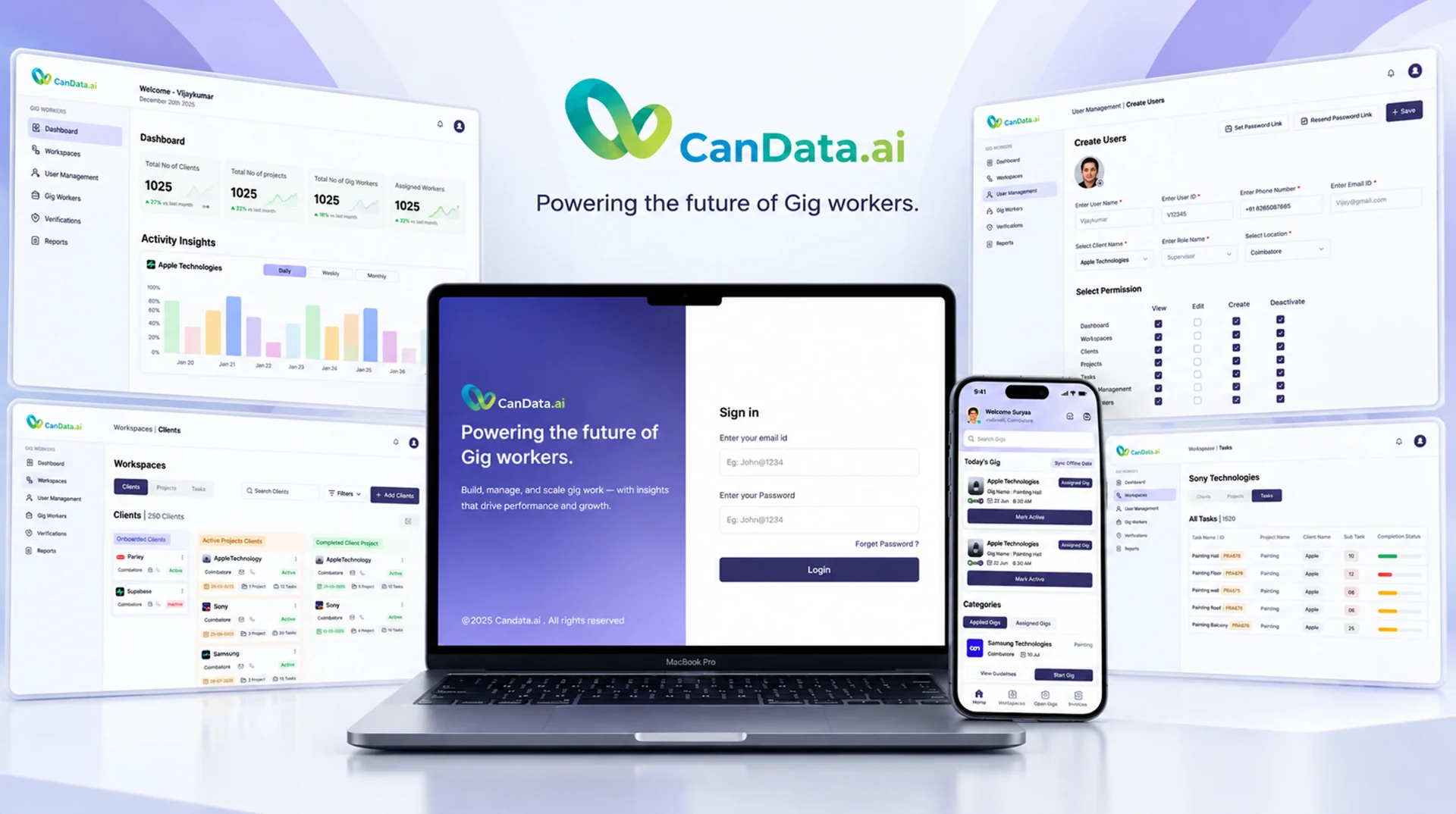
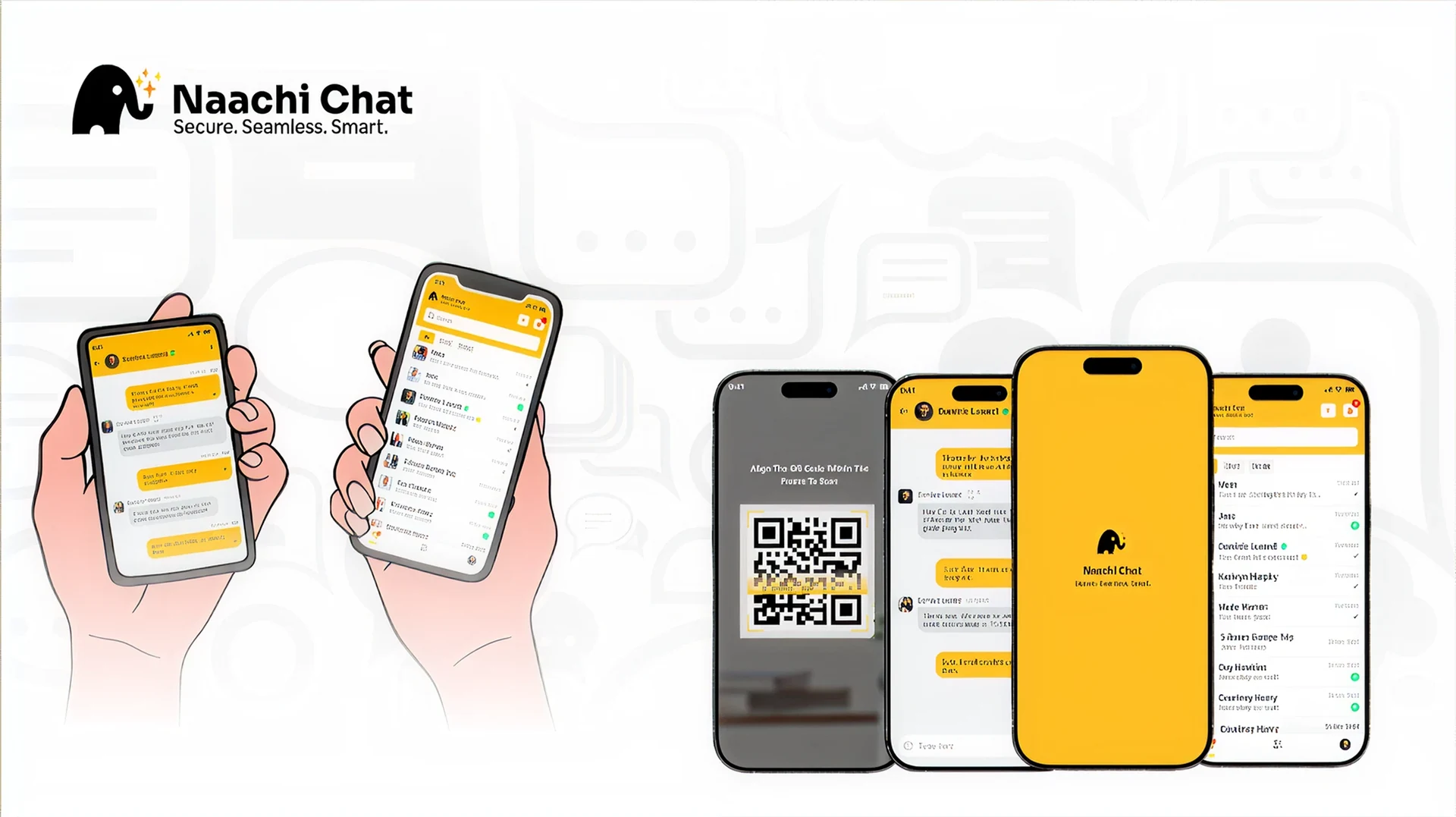
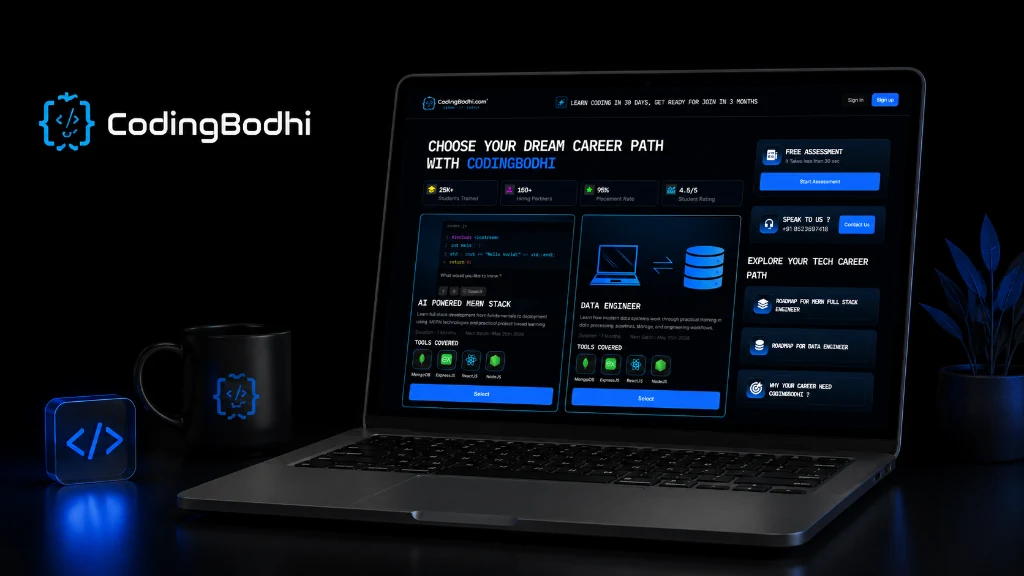
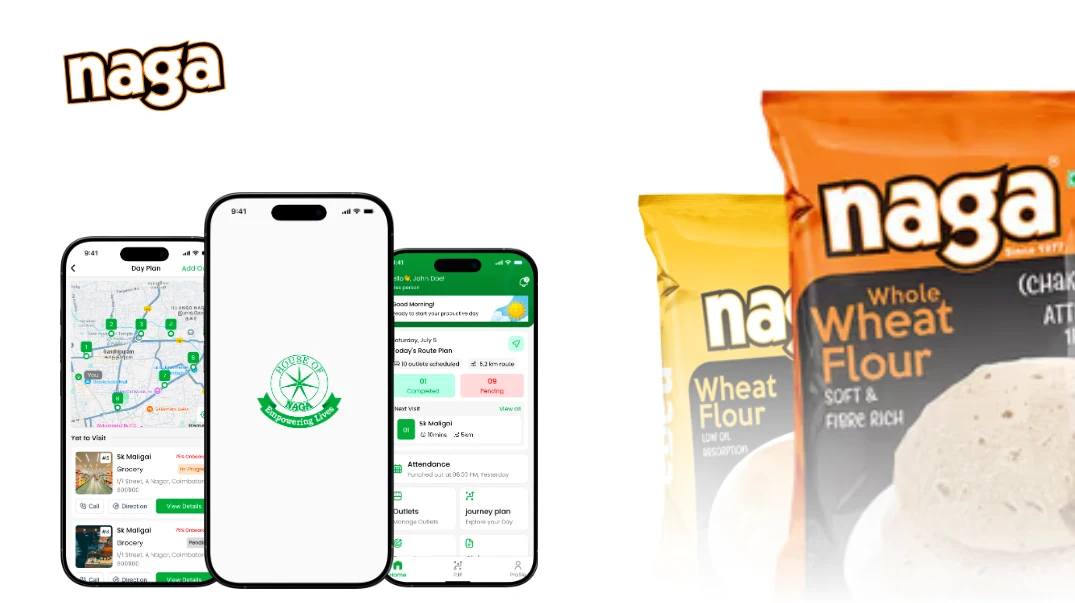
The projects below represent actual Noukha engagements. Client names are withheld at their request. Outcomes are real.
AI Development Cost Drivers
AI development costs vary because the data, integrations, model requirements, and deployment environment can differ significantly from one project to another. During scoping, we make the main cost drivers clear so you can see what is affecting the estimate.
Complexity of the task
Complexity of the task, from rule-based automation to custom model development.
Data readiness
Data readiness, since messy or missing data can dominate a timeline.
Accuracy and latency requirements
Accuracy and latency requirements, which raise evaluation and engineering effort.
Deployment environment and governance
Deployment environment and governance requirements, which are higher in regulated sectors.
Ongoing monitoring and retraining
Ongoing monitoring and retraining needs after launch.
Outcome-Based Estimates
We provide transparent USD milestone budgets tied to working code deliverables, data readiness assessments, and acceptance benchmarks.
Frequently Asked Questions
Common questions US engineering leaders and founders ask about building production AI systems.
Book an AI Use Case Validation Call
If you have a business problem where AI could create measurable value, the first step is to validate the use case, available data, expected outcome, and production requirements. Noukha builds production-grade AI systems for US businesses and can help you determine whether the project is ready to move forward.
Tell us the problem. We will tell you whether AI is the right solution and what it takes to build it properly.
Tell Us About Your Project
Describe what you want to build, who will use it and the systems involved. We will review your requirements and discuss the next step.
Please share a few details. A team member will get back to you within one business day.
From our offices in the UK, India, and Canada, we work with clients across borders to deliver reliable software solutions.