Home > Services > React Native App Development > USA
ReactNativeAppDevelopmentCompanyintheUSA
React Native was created by Meta in 2015 and remains one of the most widely used cross-platform frameworks in production software today. It is used by Facebook, Instagram, Microsoft Teams, Walmart, Shopify, and Discord — products that collectively serve hundreds of millions of active users. According to Stack Overflow's 2024 developer survey, 38 percent of cross-platform mobile developers use React Native as their primary framework.
For US businesses, the practical argument for React Native is specific: if your company already has web developers working in JavaScript or TypeScript, React Native lets the same team build your mobile product. Noukha Technologies builds React Native applications for US startups, growth-stage companies, and enterprises — with TypeScript throughout, the New Architecture for performance-critical apps, and the compliance knowledge that US regulated industries require.
React Native
New Architecture
Recognized. Respected. Relied Upon.
Our ratings on Clutch, GoodFirms, and RightFirms are based on verified client interviews — not marketing submissions. Every rating below reflects a real project and a real client who documented the outcome.




Why US Companies Still Choose React Native in 2025
React Native's share of the cross-platform market has remained strong despite Flutter's growth, because it solves a different problem. Flutter is the better choice for brand-critical UI. React Native is the better choice when your engineering team already lives in JavaScript.
of cross-platform devs use React Native
Stack Overflow 2024 developer survey
created by Meta
Used in production since 2015
daily active users
on apps built with React Native
lower development cost
vs two separate native builds (avg)
React Native's New Architecture, released in 2024, replaced the old bridge communication model with the JavaScript Interface (JSI) — which removes the asynchronous overhead between JavaScript and native code and significantly improves performance for data-heavy applications. For US enterprise clients building apps with complex state and real-time data requirements, this architectural improvement closes the performance gap with native builds considerably.
When React Native Is the Right Choice for a US Mobile App
React Native wins in these specific scenarios. If your situation matches one or more of these, it is likely the right framework for your US project.
Your engineering team already works in JavaScript or TypeScript
The most compelling argument for React Native is team alignment. If your company has web developers in React or Node.js, they can contribute to a React Native mobile project without learning a new language. This reduces hiring costs, eliminates the communication gap between web and mobile teams, and allows code sharing between your web and mobile products — authentication logic, API clients, utility functions, business rules.
You need to share business logic between web and mobile
React Native allows you to share TypeScript code between your web application and your mobile app. For US SaaS companies that maintain a web product and a mobile companion app, this means one set of business logic, one set of API integrations, and one set of type definitions. The frontend code differs between platforms, but the core logic does not need to be maintained twice.
You are extending a product that started as a web application
Many US companies build a web product first and add mobile later. React Native is the natural extension of a React web application. The component model, the state management patterns, and the developer experience are close enough that a web-native engineering team can make the transition without a steep learning curve or a separate mobile hiring process.
You need native performance with the TypeScript type safety you already have
React Native with TypeScript gives US enterprise development teams the type safety, IDE tooling, and developer experience they expect from modern JavaScript development — combined with genuine native performance through the New Architecture's JSI. For companies that have invested in TypeScript across their stack, React Native is the mobile framework that fits rather than forces a context switch.
Why the JavaScript Ecosystem Makes React Native Uniquely Valuable for US Companies
The React Native choice is not just about cross-platform mobile development. It is about where React Native sits within a broader technology decision that US companies have already made or are making now.
One language across your entire stack
US companies that use Node.js on the backend, React on the web, and React Native on mobile have one language — TypeScript — running consistently across all three layers. Business logic can be shared. API type definitions from the backend can be used directly in the mobile app. Tests written for the web can often be reused for shared modules. The toolchain is the same. The conventions are the same.
Access to the largest package ecosystem in software development
npm is the largest software registry in the world. Every third-party service that matters to US businesses — analytics, messaging, payments, authentication, mapping — has a TypeScript-compatible JavaScript SDK. React Native apps can consume these packages directly in many cases, or with lightweight wrappers. This reduces custom integration work compared to Flutter, which requires Dart wrappers for the same services.
The talent pool is larger and easier to hire from
React and TypeScript developers are among the most abundant in the US software market. If a US company wants to bring mobile development in-house after Noukha delivers the initial product, finding a React Native developer to take over is significantly easier than finding a Flutter/Dart specialist. This is a real long-term consideration for US businesses planning their engineering team growth.
Our React Native App Development Capabilities in the USA
End-to-end React Native development for US businesses — from TypeScript architecture through to App Store submission and SLA-backed post-launch support.
End-to-End React Native Development
TypeScript-first React Native development from discovery through to live app on both stores. We use React Native's New Architecture (JSI) for performance-critical projects and maintain backward compatibility for apps targeting a broad range of device OS versions.
High-Performance UI with Native Components
React Native uses the host platform's actual UI components — which means Android UI behaves like Android and iOS UI behaves like iOS, without custom rendering. We use React Native Reanimated 3 for complex animations and React Native Skia for high-performance custom graphics where standard components are not sufficient.
Seamless API and Backend Integration
REST and GraphQL API integration. AWS Amplify and Firebase for cloud services. Stripe, PayPal, Square, and Braintree for payments. Salesforce, HubSpot, and Okta for enterprise CRM and authentication. Every integration is typed with TypeScript for reliability at scale.
Advanced State Management
Redux Toolkit for complex enterprise applications with many interdependent data slices. Zustand for simpler state trees. React Query (TanStack Query) for server state management and data fetching with automatic caching and background refetch. TypeScript throughout for safe state mutations.
Legacy App Migration to React Native
We migrate existing apps from Ionic, Cordova, Xamarin, or native builds to React Native — preserving all user data and improving performance. Particularly useful for US companies with aging hybrid apps that have accumulated technical debt and are expensive to maintain on multiple platforms.
Custom Native Modules for React Native
When React Native's community plugins do not meet your requirements — Bluetooth LE, NFC, custom device hardware, proprietary SDKs — we write custom native modules in Swift (iOS) and Kotlin (Android) and expose them to the JavaScript layer cleanly via the New Architecture's JSI.
React Native App Development for US Industries
React Native's TypeScript foundation and native performance make it well-suited for the compliance-heavy, integration-rich environments that US enterprise industries operate in.
React Native extensions of SaaS platforms. TypeScript type-sharing with web frontends. Okta and Auth0 SSO. Role-based access control. The security architecture that US enterprise IT procurement processes require.
TypeScript-typed payment integrations with Stripe, Plaid, and PayPal. PCI DSS-aligned tokenized flows. Multi-factor authentication. Real-time transaction data via WebSocket or GraphQL subscriptions.
HIPAA-compliant React Native apps with PHI encryption and audit logging. HealthKit and Google Fit integration. Secure video calling with Daily.co or Twilio Video. Documented technical safeguards for compliance review.
Offline-first React Native with WatermelonDB. Background GPS tracking. Barcode and QR code scanning. Proof-of-delivery capture with image compression. Optimised for low-connectivity field environments across the US.
Shopify and WooCommerce API integration. Apple Pay and Google Pay. Real-time inventory queries. React Query for optimistic UI updates. Shopping experiences built for the conversion standards of US retail.
React Native LMS apps with video delivery. Offline content access with background sync. Assessment and quiz engines. Corporate training tools with completion tracking and reporting. Accessibility compliance for US institutional clients.
MLS data integration. Virtual property tours. e-Signature with DocuSign. Lead routing and agent notification systems. Optimised map and search performance for the US real estate browsing experience.
Online ordering with POS integration. Driver dispatch and tracking. Kitchen display systems. Loyalty programme management. Built for the order volume and reliability that US food delivery customers expect.
TypeScript React Native MVPs for US startups. Redux Toolkit or Zustand from day one. Clean architecture that survives technical due diligence. Full IP transfer on completion. Apps built to be taken in-house without a rewrite.
React Native's New Architecture: What It Means for Your US Project
In 2024, React Native released its New Architecture as the default. This is a meaningful technical change that affects performance-sensitive US applications, and it is worth understanding before committing to a React Native build.
Old Architecture (Bridge Model)
JavaScript ran on a separate thread and communicated with native code via an asynchronous bridge. Every interaction between the JS layer and the native layer — a button press, a gesture, an animation — required serialising data to JSON, passing it across the bridge, deserialising it on the other side, and waiting for a response. Under heavy UI load, this created jank and frame drops that were difficult to eliminate without custom native code.
New Architecture (JSI — JavaScript Interface)
The JSI replaces the bridge with a direct C++ layer that allows JavaScript to hold references to native objects and call native methods synchronously. No more JSON serialisation. No more bridge queuing. The result is significantly faster native module calls, better animation performance (via Fabric renderer), and improved UI responsiveness for data-heavy apps. For US enterprise apps with complex state and real-time requirements, this closes the performance gap with native builds.
Noukha adopts the New Architecture as the default for all new React Native projects. For existing React Native apps still on the old architecture, we offer migration assessments — evaluating whether the performance improvements justify the migration cost for your specific app.
How We Build React Native Apps For US Clients
Every React Native project at Noukha follows the same five-stage process with milestone-based delivery. You see working builds every two weeks, not status updates.
Architecture and TypeScript Setup
You receive: Written architecture brief, state management recommendation, TypeScript configuration spec
We scope the React Native architecture around your specific requirements — New Architecture for performance-critical apps, appropriate state management (Redux Toolkit, Zustand, or React Query), TypeScript configuration, and any shared code structure if you have a web product that shares logic. The output is a written proposal before any development begins.
UI/UX Design for iOS and Android
You receive: Platform-adaptive Figma designs, component library specifications, interactive prototype
We design for both platforms simultaneously using React Navigation conventions for each. Components that need to look native on each platform are adapted at the design stage, not patched in development. You approve an interactive prototype before the first sprint.
TypeScript Sprint Development
You receive: Deployable test builds every two weeks via TestFlight and Firebase App Distribution
React Native sprints with TypeScript throughout. New Architecture enabled from the first sprint. API integrations typed from day one using the same type definitions used across your stack where applicable.
QA Including New Architecture Compatibility
You receive: Tested builds across top US Android and iOS devices, New Architecture stress tested
We test the New Architecture's JSI performance under realistic load — not just functional correctness. Automated test suite using Jest and React Native Testing Library, supplemented by manual testing across the top US-market devices.
App Store Launch and React Native Maintenance
You receive: Live apps, SLA support, React Native version management
Full submission to both stores. Post-launch: React Native version updates (a specific maintenance item for RN projects), New Architecture compatibility monitoring as community libraries update, and ongoing feature development on retainer.
The Technology Stack Behind Our React Native Projects
Full stack breakdown — every layer we build with and why we chose it.
React Native & TypeScript
React Native 0.73+ with New Architecture (JSI/Fabric) enabled by default. TypeScript throughout for type-safe development. Expo SDK where applicable for faster bootstrapping and managed workflow projects.
State Management
Redux Toolkit for complex enterprise applications with many interdependent data slices. Zustand for simpler state trees. React Query (TanStack Query) for server state management. Jotai for atomic state. Context API for lightweight cases.
Navigation
React Navigation 6 with native stack navigators for optimal performance. Expo Router for file-based routing. Deep linking configured from day one for both platforms.
UI & Animation
React Native Reanimated 3 for complex gesture-driven animations running on the UI thread. React Native Skia for high-performance custom graphics. React Native Paper for Material Design components. Lottie for vector animations.
Backend & APIs
Node.js powers most backends. REST and GraphQL APIs for flexible data access. Firebase for real-time databases and serverless functions. AWS Amplify for enterprise-scale infrastructure. Supabase for PostgreSQL-backed projects.
Data Persistence
WatermelonDB for offline-first apps requiring complex querying and relational data. SQLite for structured local storage. AsyncStorage for simple key-value persistence. MMKV for fast, synchronous storage operations.
Authentication & Security
Auth0, Okta, Firebase Auth, AWS Cognito. Apple Sign-In and Google Sign-In. For US compliance projects (HIPAA, CCPA, PCI DSS), session management, PHI encryption, and audit logging are implemented as formal architectural deliverables.
Payment Integration
Stripe React Native SDK, PayPal, Apple Pay, Google Pay, Square, and Plaid. PCI DSS-compliant tokenised payment flows. Every payment integration is typed end-to-end with TypeScript.
Native Module Integration
Swift for iOS native modules. Kotlin for Android native modules. Bluetooth LE, NFC, and HealthKit when React Native's plugin ecosystem doesn't cover the requirement. All exposed cleanly via the New Architecture's JSI.
Testing & CI/CD
Jest for unit testing. React Native Testing Library for component testing. Detox for end-to-end testing. Maestro for flow-based testing. GitHub Actions and Bitrise for CI/CD pipelines. TestFlight and Firebase App Distribution for beta delivery.
React Native App Development Cost for US Clients
React Native projects typically cost 25 to 35 percent less than two separate native builds delivering equivalent functionality. Here is how our US pricing breaks down — written, itemised proposals before any commitment.
React Native Starter
8 to 12 weeks · Android + iOS
React Native Business App
12 to 16 weeks · Android + iOS
React Native Enterprise Platform
Custom timeline · Dedicated team
Frequently Asked Questions About React Native Development in the USA
The questions US businesses ask most consistently about React Native before starting a project. Still have something specific in mind? Reach out — we respond within one US business day.
Let's Build Something Great Together
- Free 30-minute consultation call — no sales pressure
- Detailed, itemised project quotation within 48 hours
- No lock-in commitments or upfront fees
Meet Your React Native Engineering Team
Every React Native app we ship for US clients is built by the same people you speak to during your project — developers, designers, and product strategists. We don't outsource any part of the development process.


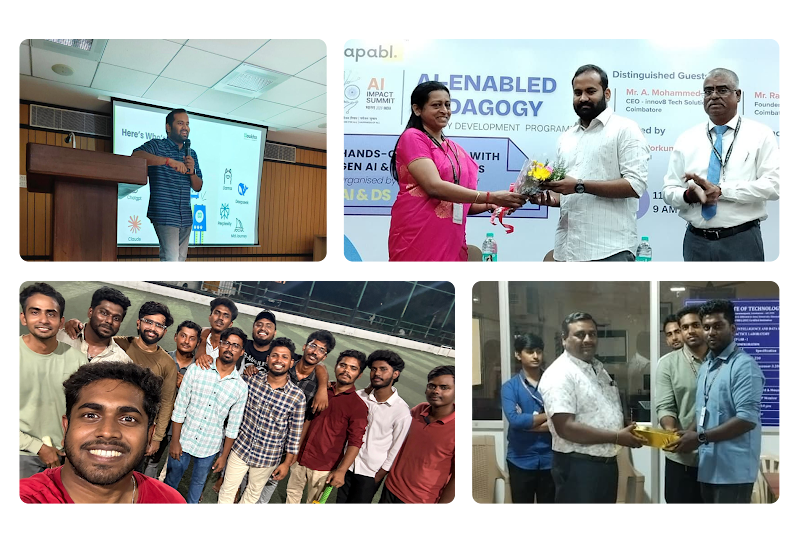
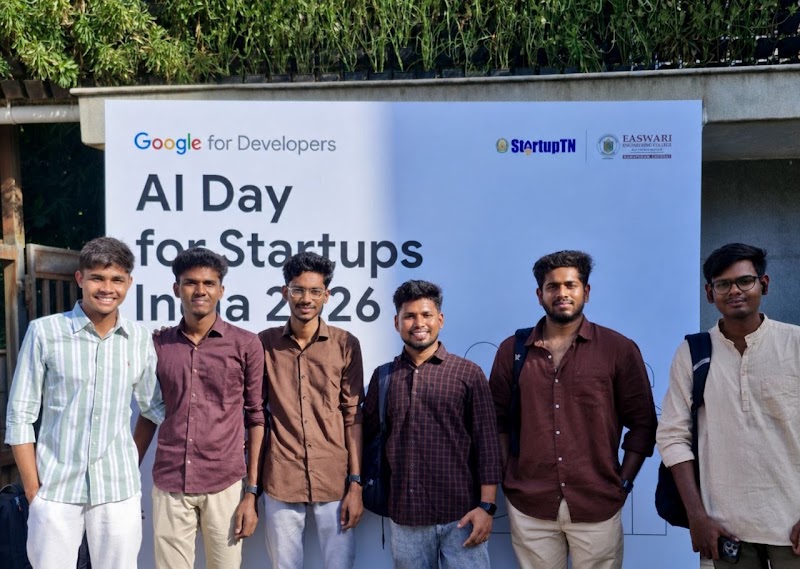



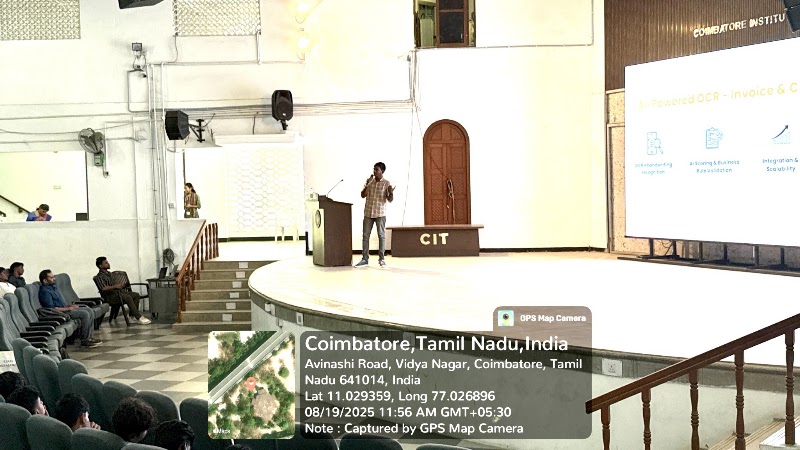


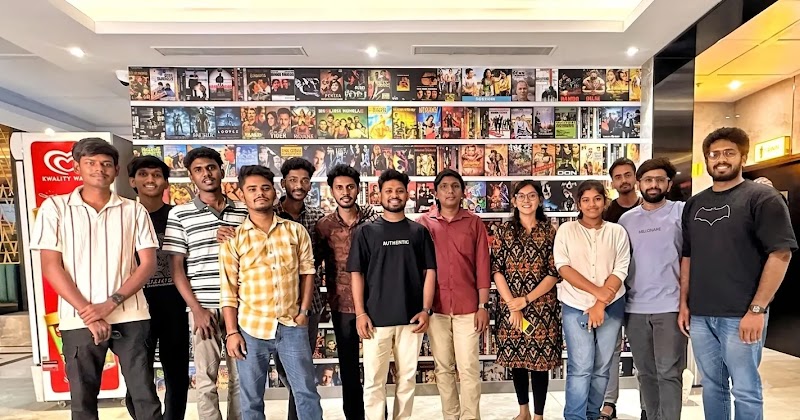
Our React Native developers work in TypeScript and React Native every day. This isn't a generalist shop that occasionally picks up a cross-platform project — it's what we specialise in, which means the depth of our knowledge shows up in the quality of your product.
Why Choose a Custom React Native App Over an Off-the-Shelf Solution?
Template apps are designed to work for everyone, which means they work perfectly for nobody. A custom React Native app is built around your specific business logic, your users, and your growth roadmap. With Noukha, you receive a scalable, TypeScript-typed codebase that integrates with your existing systems — and that you own outright on both iOS and Android.