Home > Services > Flutter App Development > USA
FlutterAppDevelopmentCompanyintheUSA
Flutter is now used by over 46 percent of cross-platform developers globally, according to Statista's 2025 developer survey. Google's own 2024 Developer Insights data shows Flutter apps ship 35 percent faster on average than comparable native builds. For US startups with investor deadlines and mid-market businesses that need to reach both Android and iOS users without two separate development budgets, those are meaningful numbers.
Noukha Technologies is a Flutter app development company serving US businesses. We build high-performance cross-platform applications using Flutter and Dart for startups, growth-stage companies, and enterprises across the United States. Our Flutter engineers are senior specialists, not generalists who occasionally pick up Flutter projects. If you need a Flutter app built properly -- with clean architecture, US compliance where relevant, and a delivery process you can track -- we can do that.

Recognized. Respected. Relied Upon.
Our ratings on Clutch, GoodFirms, and RightFirms are based on verified client interviews -- not self-reported metrics. Every number below reflects an actual project delivered and an actual client who went on record.



Why Flutter Has Become The Default For Cross-Platform Development In 2025
The numbers behind Flutter's dominance are significant, and they directly affect how US businesses should think about their mobile app investment.
of developers use Flutter
Statista 2025 developer survey
faster average shipping
vs comparable native builds (Google 2024)
reported cost savings
businesses choosing Flutter vs native
CAGR
Flutter market growth rate (Research and Markets)
Flutter's growth is driven by three practical realities: a single codebase cuts duplicate costs, pixel-perfect rendering ensures consistency across every device, and hot reload compresses development cycles — critical when US businesses are working against investor timelines.
When Flutter Is The Right Choice For A US Mobile App Project
Flutter is not the best choice for every project. For the scenarios below, it is the smartest option for US businesses building production-ready mobile apps.
You need to reach both Android and iOS users without two development budgets
If your target market uses both platforms -- which is standard for US consumer apps -- building separate native apps means two development cycles, two testing matrices, and two ongoing maintenance tracks. Flutter gives you one build that runs natively on both. For most US startups and mid-market businesses, this is the economically rational choice.
You have an investor deadline or a competitive launch window
Flutter ships 35% faster than comparable native builds on average. If you are raising a funding round that requires a working app, or entering a market where a competitor is already moving, Flutter's development velocity advantage is significant. The trade-off is minimal for the speed you gain.
You need a highly custom, branded UI that looks consistent across every device
Flutter renders every pixel independently of the host OS. This means your UI looks exactly as designed on every Android device and every iPhone -- regardless of the device's age or OS version. For retail apps, fintech dashboards, and any product where visual consistency is critical to the brand experience, this is a genuine advantage over React Native.
When Flutter Is Not The Right Choice -- And What We Recommend Instead
We recommend Flutter for most US cross-platform projects. There are three specific scenarios where we advise against it — and transparency matters more than a one-size-fits-all pitch.
Your app requires deep native hardware integration
Bluetooth LE, NFC, AR frameworks (ARKit/ARCore), advanced biometrics, or custom hardware sensor access often require native code that goes beyond what Flutter's plugin ecosystem covers cleanly. In these cases, native Swift or Kotlin gives you more direct access and fewer workarounds.
Your team already operates in a JavaScript ecosystem
If your company has a web product in React, an internal toolchain in JavaScript, or an engineering team primarily skilled in TypeScript, React Native is the more practical choice. It uses the same language, the same patterns, and the same engineers. Flutter requires Dart, which is a different language to learn and maintain.
You need to ship for just one platform in the near term
If your business serves a market that is overwhelmingly iOS (which describes most US premium consumer segments) or overwhelmingly Android, and you have no near-term plans to expand to the other platform, native development for that single platform is simpler and cheaper than a cross-platform build.
Our Flutter App Development Capabilities For US Clients
From the first sprint to store submission and ongoing maintenance -- every capability your Flutter project needs, covered by one team.
End-to-End Flutter Development
We take your Flutter project from discovery and architecture through to a live, store-approved app. Built with Flutter 3 and Dart, following clean architecture patterns (BLoC or Riverpod) that keep the codebase maintainable as your product scales.
Custom UI/UX with Flutter Widgets
Flutter's rendering engine gives us precise control over every visual element. We build custom widget libraries, smooth animations using Rive or Lottie, and platform-adaptive interfaces that feel correct on both Android and iOS. Used by brands where visual consistency across devices is part of the product experience.
Firebase and Cloud Integration
Real-time Firestore databases, Firebase Authentication, Firebase Cloud Messaging for push notifications, Firebase Analytics, and Firebase Crashlytics for crash monitoring. For apps that need more than Firebase, we connect to AWS, GCP, or custom backends via RESTful and GraphQL APIs.
Flutter State Management Architecture
We implement BLoC, Riverpod, or Provider depending on the scale and complexity of your app. Scalable state management from day one prevents the architectural rewrites that plague Flutter codebases built for speed rather than longevity. This matters particularly for US clients whose apps need to pass technical due diligence.
App Migration to Flutter
We migrate existing React Native, Xamarin, Ionic, or legacy native apps to Flutter -- with zero data loss and improved performance. For US clients with an aging codebase that is expensive to maintain on multiple platforms, migration to Flutter is often the most cost-effective path forward.
Native Module Integration for Flutter
When Flutter's standard plugin library does not cover a specific US market requirement -- Bluetooth LE, NFC, Apple HealthKit, Google Fit, or custom hardware SDKs -- we write native Platform Channels in Swift and Kotlin to bridge the gap.
Flutter App Development for Every US Industry
Flutter's rendering independence and single-codebase architecture make it particularly well-suited for industries where visual consistency, fast iteration, and compliance documentation are all required simultaneously. Here is how we apply it across US market sectors.
Flutter apps with Stripe, Plaid, and PayPal integration. PCI DSS-aligned payment flows using tokenized processing. Multi-factor authentication and session management. Built for the security and audit requirements of US financial regulators.
HIPAA-compliant Flutter apps with PHI encryption, access controls, and audit logging. Apple HealthKit and Google Fit integration for wearable data. Firebase or custom backend for real-time patient communication and appointment management.
Shopping apps with Apple Pay and Google Pay. Real-time inventory management. Loyalty programme backends. Shopify and WooCommerce API integration. Built for the conversion-focused performance that US retail apps require.
Mobile extensions of SaaS platforms built in Flutter. SSO integration with Okta and Auth0. Role-based access control. Offline data sync for field users. Enterprise security documentation for IT procurement reviews.
Offline-first Flutter apps with WatermelonDB or Hive local storage. Background GPS tracking and route optimisation. Barcode and QR code scanning. Proof-of-delivery capture. Built for the variable connectivity environments of US logistics operations.
LMS platforms in Flutter with video delivery, progress tracking, and assessment tools. Live class features using WebRTC. Offline content access for students with limited connectivity. FERPA compliance for apps serving US educational institutions.
Property search with map integration. Virtual tour support. Lead management workflows. DocuSign e-signature integration. Agent CRM tools. Built for the document-heavy, high-stakes transaction flows of the US real estate market.
Online ordering with POS integration. Kitchen display systems. Driver tracking and dispatch management. Loyalty programme infrastructure. Built for the transaction volumes and reliability expectations of US food delivery operations.
Investor-ready Flutter MVPs for US startups. Clean BLoC or Riverpod architecture from day one. Documented APIs. Full codebase transfer on project completion. Apps built to survive technical due diligence at Series A without architectural rewrites.
Flutter Vs React Native Vs Native: Which Is Right For Your US Project?
This is a question we get from every US client evaluating cross-platform options. Here is an honest comparison — not one designed to push Flutter regardless of the situation.
| Native (Swift/Kotlin) | React Native | Flutter ✓ | |
|---|---|---|---|
| Platforms | Single (Android or iOS) | Android + iOS | Android + iOS |
| Language | Swift (iOS) / Kotlin (Android) | TypeScript / JavaScript | Dart |
| Codebase | Separate per platform | Single (JS shared) | Single (Dart) |
| UI rendering | Native OS components | Native OS components | Custom Skia engine |
| UI consistency across devices | Varies by OS version | Varies by OS components | Pixel-perfect, always |
| Performance ceiling | Highest | Very high (New Architecture) | Very high |
| Hardware access | Complete | Complete via bridge | Via Platform Channels |
| Best for | Single-platform, hardware-heavy | JS teams, web + mobile | Brand-critical UI, speed to market |
| Relative cost | Highest (two builds) | Medium | Lower — single codebase |
| Noukha recommendation | When hardware depth required | When team is JS-first | Most US cross-platform projects |
How We Build Flutter Apps For US Clients
Every Flutter project at Noukha follows the same structured process. Milestones are tied to working deliverables, not elapsed time. You know exactly what you are getting and when before we start.
Flutter Architecture and Scoping
You receive: Written architecture proposal, state management recommendation, USD cost breakdown
We scope your Flutter project against the specific requirements of your US industry — compliance obligations, integration dependencies, and performance targets. We recommend the right state management approach (BLoC, Riverpod, or Provider) based on your app's scale and your team's technical capacity. The output is a written proposal with a fixed price or T&M estimate before commitment.
UI/UX Design for Flutter
You receive: Platform-adaptive Figma designs, custom widget specifications, interactive prototype
We design for Android and iOS simultaneously, using Material Design 3 as the Android baseline and adapting navigation patterns and touch feedback for iOS. You see and approve a clickable prototype before the first Flutter sprint begins. Custom widget specifications are documented so the engineering team builds exactly what design intends.
Sprint-Based Flutter Development
You receive: Deployable Flutter builds every two weeks
Two-week sprints with a testable Flutter build at the end of each one. Hot reload accelerates our internal iteration cycles, but the builds you review are always build-tested and device-tested before they reach you. US clients get real-time access to the sprint board throughout the build.
Flutter QA and Device Testing
You receive: Tested builds across top US Android and iOS devices
We run Flutter's widget and integration test suite for automated regression, and supplement with manual testing across the top Android and iOS devices in active US use. Performance testing against US-scale concurrent user loads. Accessibility testing against WCAG 2.1 guidelines.
App Store Launch and Flutter Maintenance
You receive: Live on Google Play and App Store, SLA support, Flutter version updates
Full store submission for both platforms simultaneously. Post-launch: Flutter framework version updates (a specific maintenance item unique to Flutter projects), OS compatibility patches, crash monitoring, and feature development on retainer.
The Technology Stack Behind Every Noukha Flutter App
Full stack breakdown — every layer we build with and why we chose it.
Flutter & Dart
Flutter 3.x with Dart 3.x provides cross-platform development with a single codebase for Android and iOS. BLoC Pattern, Riverpod, Provider, and GetX cover every state management scale from simple MVPs to complex enterprise apps.
UI Design & Animation
Material Design 3 on Android, Cupertino widgets on iOS. Rive and Lottie for sophisticated animations. Flutter Animate for declarative motion. Custom widget libraries ensure pixel-perfect consistency across every device.
Backend & APIs
Node.js and Python (FastAPI) power most backends. Firebase (Firestore, Cloud Functions) for rapid development and real-time sync. REST and GraphQL APIs for flexible integration with any service.
Data Persistence & Sync
Hive and SQLite for fast local storage. WatermelonDB for offline-first architecture with complex sync logic. Shared Preferences for lightweight key-value storage. Essential for US field operations and logistics apps.
Cloud Infrastructure
Firebase for real-time data and serverless functions. AWS (EC2, S3, Lambda) for enterprise-scale infrastructure. Google Cloud Platform for AI/ML integrations and scalable compute.
Authentication & Security
Firebase Auth, Auth0, Okta, Apple Sign-In, and biometric authentication via local_auth. For US compliance projects (HIPAA, CCPA), we implement secure session management, encryption, and audit logging as formal architectural deliverables.
Payment Integration
Stripe, PayPal, Apple Pay, Google Pay, Square, and Plaid. PCI DSS compliance handling. Full payment flow tokenisation for US financial regulatory requirements.
Platform Channel Integration
Swift (iOS) and Kotlin (Android) Platform Channels for deep native integration. HealthKit, Google Fit, Bluetooth LE, and NFC when Flutter's plugin ecosystem does not cover a specific US market requirement.
Quality Assurance & Testing
Flutter Test Framework, Mockito for unit mocking, Integration Tests, and Patrol for E2E coverage. Manual testing on top US devices. Performance testing against US-scale concurrent user loads.
CI/CD & Deployment
GitHub Actions and Fastlane for automated build and release pipelines. Bitrise for mobile-first CI. TestFlight for iOS beta distribution. Firebase App Distribution for cross-platform pre-release testing.
Flutter App Development Cost For US Clients
Flutter apps typically cost 30 to 40 percent less than two separate native builds delivering the same functionality. Here is how Noukha's US pricing breaks down — written, itemised proposals before any commitment.
Flutter Starter App
8 to 12 weeks · Android + iOS
Flutter Business App
12 to 16 weeks · Android + iOS
Flutter Enterprise Platform
Custom timeline · Dedicated Flutter squad
Frequently Asked Questions About Flutter App Development In The USA
Flutter-specific questions US businesses ask most often before starting a project. Still have something specific in mind? Reach out — we respond within one US business day.
Let's Build Something Great Together
- Free 30-minute consultation call — no sales pressure
- Detailed, itemised project quotation within 48 hours
- No lock-in commitments or upfront fees
Meet Your Flutter Engineering Team
Every Flutter app we ship for US clients is built by the same people you speak to during your project — developers, designers, and product strategists. We don't outsource any part of the development process.


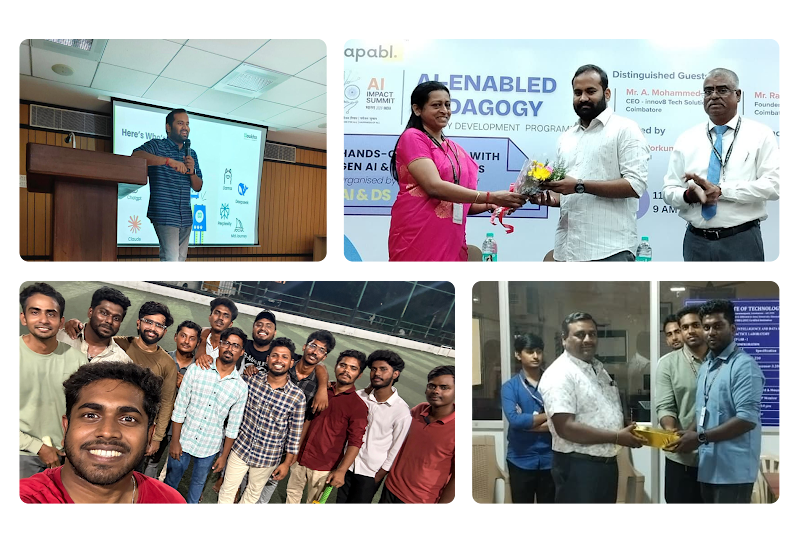
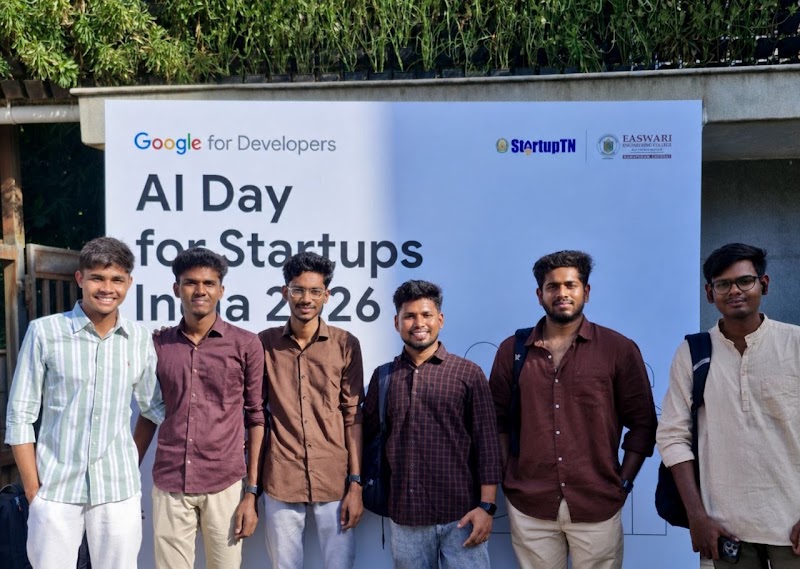



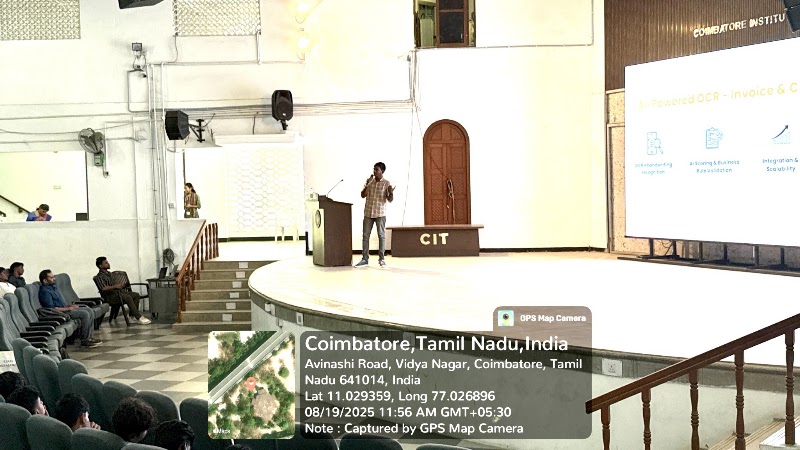
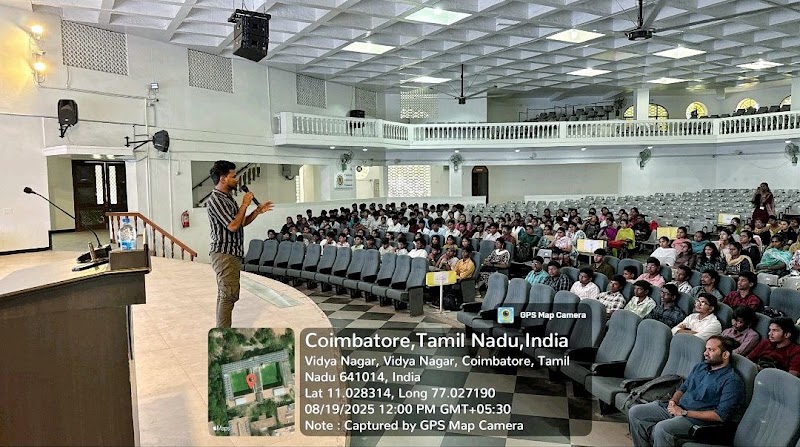

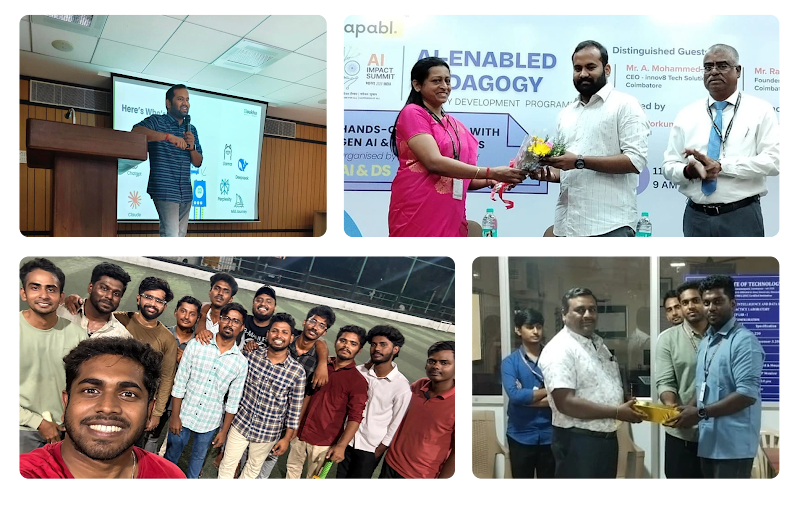
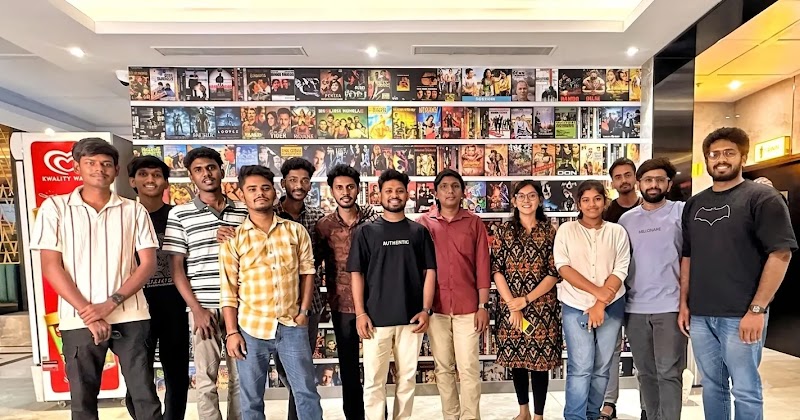
Our Flutter developers work exclusively with Flutter and Dart. This isn't a general-purpose software shop that occasionally picks up a Flutter project — it's what we do every day, which means the depth of our knowledge shows up in the quality of your product.
Why Choose A Custom Flutter App Over An Off-the-Shelf Solution?
Generic app templates are built to satisfy the average use case. Your US business isn't average. A custom Flutter app is built around your specific workflows, your compliance requirements, and your growth goals — and with Noukha you own every line of it.